
Youth Employment Crisis: Bridging the Gap Between Education and Job Market in India
Understanding the Employment Landscape
Every year, millions of young individuals graduate from colleges and universities in India, yet the number of those securing jobs aligned with their qualifications remains alarmingly low. According to a report released by the NITI Aayog in August titled 'Reimagining Skilling for Viksit Bharat @2047', merely 8.25% of graduates are employed in roles that match their educational background. This statistic highlights not just an unemployment crisis but also a significant disconnect between education and employment.
Mismatch Between Curriculum and Industry Needs
The NITI Aayog report points out fundamental inconsistencies within the higher and technical education systems. Many institutions have not updated their curricula to reflect the evolving demands of the industry. Consequently, degrees such as BA, BSc, and BCom do not guarantee immediate employment. The report indicates that numerous students opt for these courses primarily to qualify for government job opportunities.
Lack of Practical Skills: A Major Hurdle
The report also addresses the challenges students face in securing jobs. Approximately 34% of students identify a lack of skills as a significant issue, while 18% cite inadequate interview preparation. Most notably, 80% of learners consider the absence of practical experience and industry exposure as a critical barrier.
Growing Interest in Government Jobs
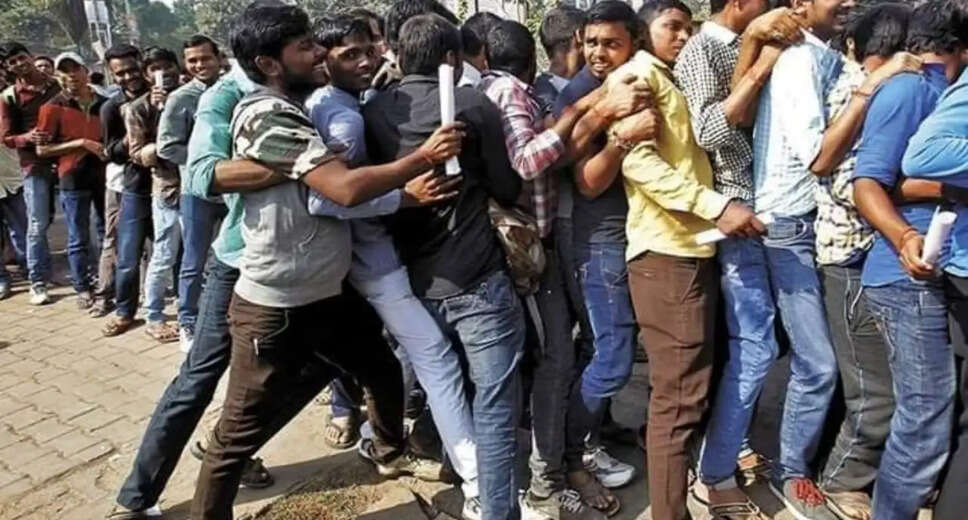
The widening gap between education and the private sector's requirements explains the increasing interest among youth in government jobs. According to NITI Aayog, from November 2024 to July 2025, there were 1.86 crore applications for just 55,000 positions. Finance Minister Nirmala Sitharaman has emphasized the need for the education system to prepare youth not only for jobs but also for entrepreneurship and self-employment.
The Need for a Bridge Between College and Employment
NITI Aayog has stressed the importance of practical education, internships, apprenticeships, and better alignment with industry needs. Institutions should also provide students with resources for CV writing, mock interviews, and job search strategies. However, mere token internships will not suffice; students must gain real work experience to transform their degrees into employable skills.