
Your Guide to Becoming a Pilot: Steps to Take After Class 10
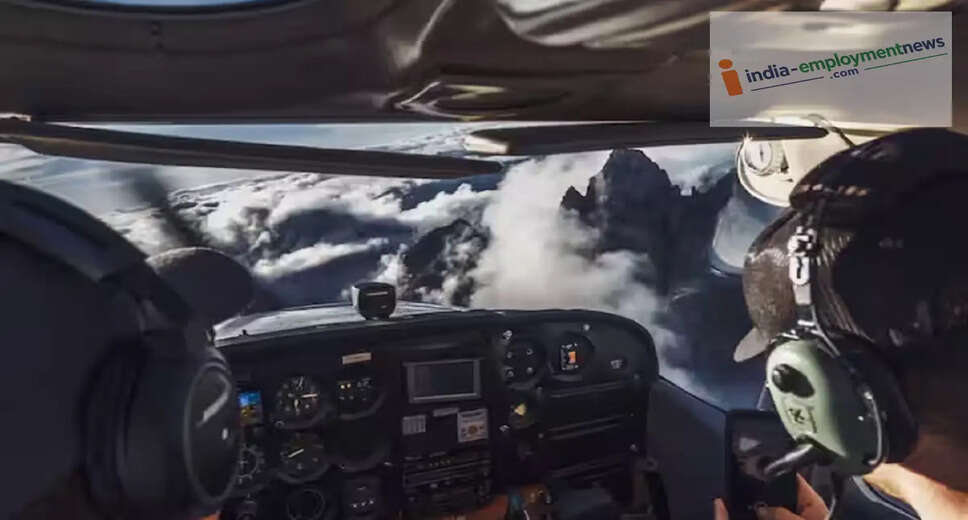
Embarking on a Career in Aviation
If you've ever gazed at an airplane soaring through the sky and dreamed of becoming a pilot, it's important to know that entering the aviation field requires more than just aspirations. The journey consists of several key stages, starting from selecting appropriate subjects after Class 10 to completing training and obtaining a license post-Class 12.
For those aiming to become commercial pilots, it's crucial to take Physics and Mathematics in Classes 11 and 12. Once you finish Class 12 and fulfill the eligibility criteria set by the Directorate General of Civil Aviation (DGCA), you can begin your training for a Commercial Pilot License (CPL).
Steps to Becoming a Pilot
To initiate your journey as a pilot, the first step is to apply for a 'Computer Number' via the eGCA portal. Following this, you must pass Class 2 and Class 1 medical examinations. After successfully completing the mandatory DGCA theory exams and the RTR(A) test, candidates are required to undergo flying training at a DGCA-approved Flying Training Organization.
The minimum age to apply for a CPL is 17 years, and having Physics and Mathematics in Class 12 is a prerequisite. Therefore, students currently in Class 10 who aspire to fly should prioritize these subjects starting from Class 11. However, it's important to note that a Science background is not mandatory for all aviation careers. Students from Commerce and Arts streams can also explore opportunities in aviation management, airport operations, aviation hospitality, and cabin crew roles.
Alternative Pathways for Aspiring Pilots
For those who wish to pursue a pilot career later but did not take Physics and Mathematics in Class 12, these subjects can be completed separately through the National Institute of Open Schooling (NIOS). Once the educational requirements are fulfilled, candidates can proceed with their pilot training.
After passing the DGCA examination, students will engage in practical flying training, which includes completing the required flying hours for a CPL. During this training, they will learn essential skills such as aircraft handling, navigation, emergency procedures, and other operational competencies. However, completing training alone does not qualify one as a pilot; candidates must also pass necessary examinations, meet flying hour requirements, and succeed in skill tests.
Career Progression and Earnings
Once a student obtains their commercial license, they do not immediately assume the role of an airline captain; they typically start in a junior position. Each airline has its own specific requirements and training protocols. After selection by an airline, pilots must undergo additional training and complete mandatory checks for the specific aircraft they will operate. They will initially fly as a First Officer, and with experience and accumulated flying hours, they can advance to Senior First Officer and eventually Captain.
Pilot salaries can vary widely based on factors such as the airline, aircraft type, rank, flying hours, and allowances. For instance, a Junior First Officer may earn between ₹1 lakh and ₹1.5 lakh per month, while First Officers can earn around ₹2 lakh, with salaries increasing further with promotions.
Understanding the Costs of Pilot Training
It's important to recognize that pilot training can be a costly endeavor. In India, the cost for CPL training generally ranges from ₹25 lakh to ₹35 lakh. However, the total expenses can differ based on various factors, including the specific training program, flying hours, the training institute, and subsequent airline training. Therefore, prospective students should thoroughly research the fees, fee structure, and included facilities before enrolling.