
What Major Changes Are Coming to India's Exam System? Nandan Nilekani Leads the Charge!
New Task Force to Reform Examination System
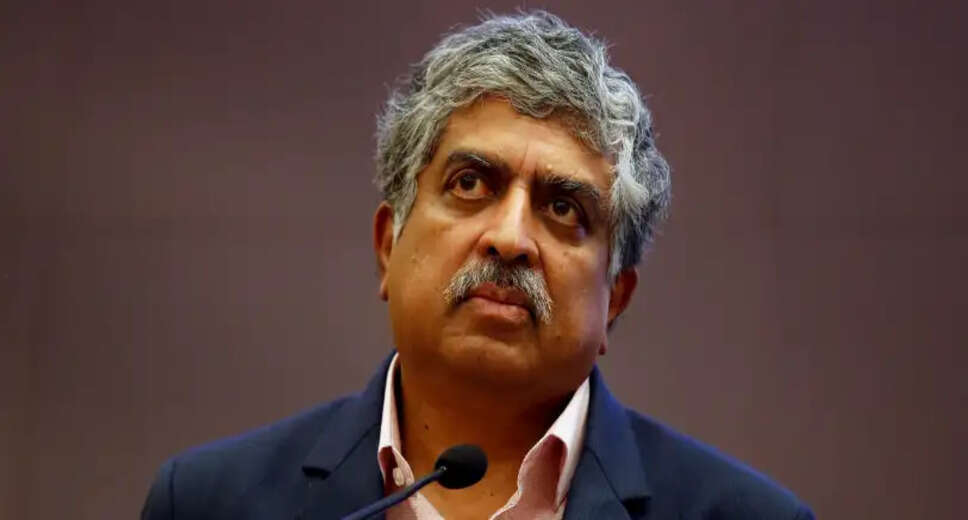
New Delhi: Prime Minister Narendra Modi has announced the formation of a high-level task force to tackle the issue of exam paper leaks, led by Nandan Nilekani, co-founder of Infosys. This initiative aims to recommend reforms that will enhance the integrity of the examination system.
In a video message shared on his Instagram, Modi emphasized that the government is committed to implementing the task force's recommendations to ensure a reliable and transparent examination process, leveraging technology to its fullest potential.
This announcement follows the recent resignation of Dharmendra Pradhan as Education Minister, which came after a 36-day protest led by the Cockroach Janta Party (CJP).
The task force will include a diverse group of experts, such as former ISRO chairman S Somanath, ex-Intelligence Bureau director Tapan Deka, IIT Chennai director V Kamakoti, former education secretary Anita Karwal, and logistics specialist Amrit Lal Meena.
Nilekani, known for his pivotal role in developing Aadhaar and India's digital infrastructure, will spearhead this initiative.
Modi reiterated the government's ongoing efforts to secure the future of students, stating that those responsible for compromising it have faced legal consequences. He also announced plans to introduce a new bill in Parliament aimed at strengthening laws against exam paper leaks.
The task force's primary focus will be on reforming the examination system to ensure its reliability and transparency. The government plans to act swiftly on the task force's findings once they are submitted.
On Monday, the Centre is set to present a bill in the Lok Sabha to enhance anti-paper leak legislation. The proposed Public Examinations (Prevention of Unfair Means) Amendment Bill, 2026, aims to establish fast-track courts in each state for handling paper leak cases, with investigations expected to conclude within two months.
The bill also proposes harsher penalties, including up to 10 years of imprisonment and fines reaching Rs 50 lakh for individuals involved in paper leaks. Organized crime related to these leaks could incur fines of up to Rs 10 crore.
The CJP's protest, which began on June 20, demanded Pradhan's resignation and accountability for the NEET-UG 2026 paper leak, as well as reforms in the CBSE's marking process. The movement garnered significant support from students nationwide and various opposition parties.
The protests intensified after videos of activist Sonam Wangchuk's health deteriorating during a hunger strike circulated widely. On July 18, police forcibly moved him to Safdarjung Hospital, igniting further outrage among students and demonstrators.
A large protest march to Parliament on July 20 faced a strong police response, including lathi charges and tear gas.
After three rounds of negotiations, the CJP and the government reached an agreement on Saturday, leading to the cessation of the protests. In addition to Pradhan's resignation, the government has agreed to provide compensation to the families of students who allegedly took their own lives and to withdraw FIRs in Delhi and other BJP-ruled states.