
Understanding the Training Journey of UP PCS Officers
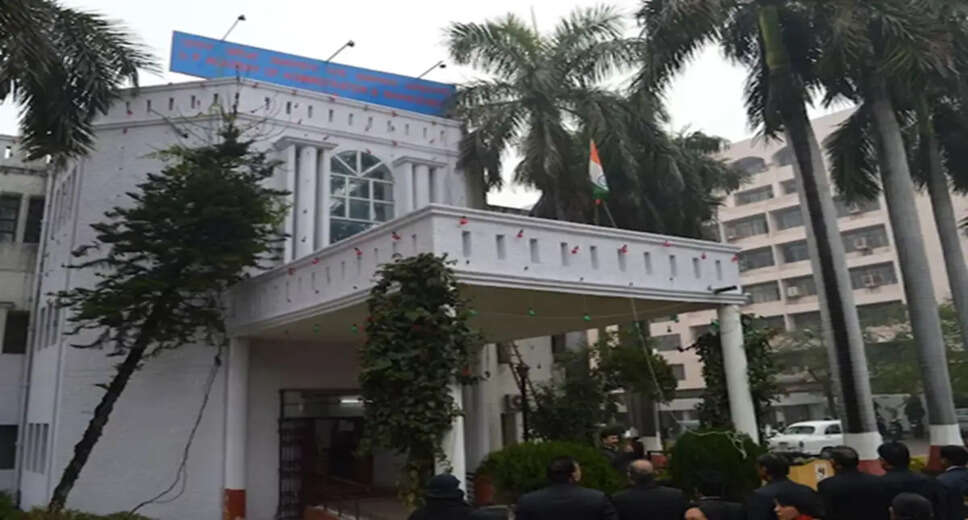
UP PCS Officer Training Overview
UP PCS Officer Training: Successfully passing the Uttar Pradesh Public Service Commission (UPPSC) exam is a significant milestone, but the real challenge begins post-selection. The journey of a PCS officer involves navigating a demanding training process that tests their discipline, patience, and leadership skills. Similar to IAS officers, PCS officers receive their official assignments only after completing their training.
Training Location and Duration
From the vibrant streets of Lucknow to the remote areas of the state, these officials are trained to manage diverse situations. While IAS officers are primarily trained at the Lal Bahadur Shastri National Academy of Administration (LBSNAA) in Mussoorie, UP PCS officers are trained in Lucknow, known as the "City of Nawabs." The training lasts between 12 to 18 months.
Uttar Pradesh Academy of Administration and Management (UPAAM)
The core training for UP PCS officers, including roles like SDM, BDO, and ARTO, takes place at the Uttar Pradesh Academy of Administration and Management (UPAAM) in Aliganj, Lucknow. Officers selected for the Uttar Pradesh Police Service (PPS/DSP) receive their training at the Dr. Bhimrao Ambedkar Police Academy in Moradabad.
Curriculum and Practical Exposure
UP PCS Training Curriculum: The training includes a foundational course covering the Indian Constitution, Uttar Pradesh Land Revenue Code, Disaster Management, and Public Relations. Officers also participate in village tours to understand rural realities and engage in 'State Tours' and the 'Bharat Darshan' program to learn about various government initiatives and cultural heritage.
Salary and Benefits
According to the 7th Pay Commission, a PCS officer's starting basic salary (Pay Level 10) is ₹56,100. With additional allowances, the in-hand salary ranges from ₹85,000 to ₹95,000. Officers also enjoy benefits such as government housing, an official vehicle, support staff, and medical coverage.
Postings and Practical Training
Postings: After six months of training at UPAAM, officers are assigned to a district as Trainee Officers, where they gain practical experience under the guidance of senior officials. Following about a year of field training and passing departmental exams, they receive their first independent posting, often as a Sub-Divisional Magistrate (SDM).
Comparing IAS and PCS Training
Differences in Training: IAS officers train at LBSNAA and operate on a national level, while PCS training focuses on state-specific laws and geography. IAS officers gain experience at both central and state levels, whereas PCS officers primarily support state administration. Many PCS officers are promoted to IAS after 10 to 15 years of service.