
Understanding the Significance of Flag Hoisting on Independence Day and Republic Day in India
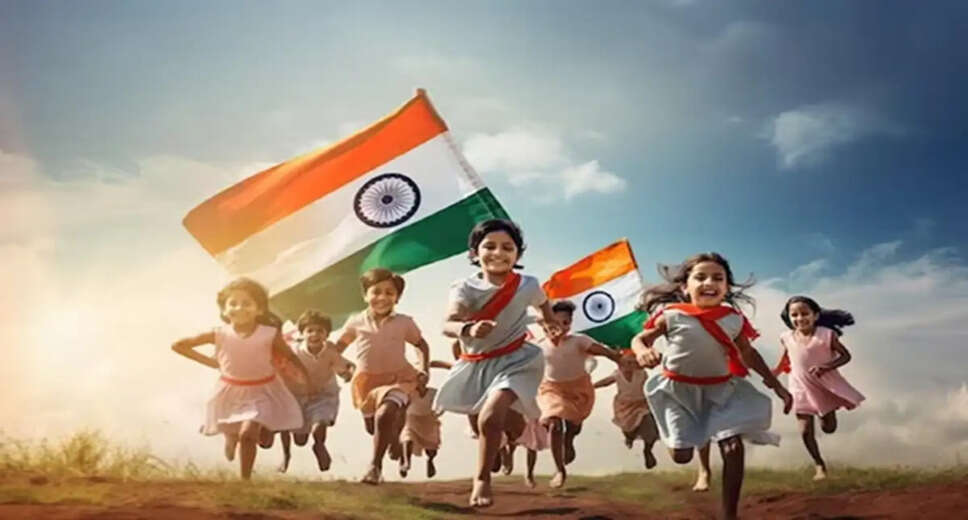
Independence Day 2026: A National Celebration
Independence Day 2026: Each year on August 15, the Prime Minister of India raises the national flag at the Red Fort. This event honors the hard-fought freedom from British colonial rule and serves as a unifying celebration for the nation. Have you ever considered why the Prime Minister performs this duty on August 15, while the President does so on Republic Day? Although both ceremonies may seem alike, they commemorate two pivotal events in India's journey as an independent nation.
On Independence Day (August 15), the Prime Minister raises the national flag at the Red Fort, whereas on Republic Day (January 26), the President does so at Kartavya Path. The distinction between these dates lies in their significance: August 15 marks India's independence in 1947, while January 26 signifies the adoption of the Constitution in 1950.
The Role of the Prime Minister on Independence Day
August 15 is a historic day, marking India's liberation from British rule in 1947. The flag-raising ceremony at the Red Fort symbolizes the nation's hard-won freedom. The inaugural flag hoisting was conducted by Jawaharlal Nehru, India's first Prime Minister, at the Lahori Gate of the Red Fort in Delhi. Since that moment, it has become a tradition for the Prime Minister to hoist the flag and deliver a speech to the nation on this day. The flag is raised from below the flagpole, followed by the national anthem, making this ceremony a vital part of Independence Day celebrations across the country.
The President's Role on Republic Day
Republic Day represents another crucial chapter in India's history. On January 26, 1950, the Constitution of India was enacted, replacing the Government of India Act of 1935, thus establishing India as a republic. This day is celebrated annually as a major national event. During this occasion, the President raises the national flag at Kartavya Path, where the flag is already secured at the top of the flagpole and is unfurled during the ceremony. This event is followed by a grand Republic Day parade that highlights India's cultural richness, military strength, and national accomplishments.
Key Differences Between Independence Day and Republic Day
Both August 15 and January 26 are significant national days in India. Independence Day, observed on August 15, commemorates India's liberation from British rule in 1947. Conversely, Republic Day, celebrated on January 26, marks the enforcement of the Constitution.
The flag-raising ceremony led by the Prime Minister on August 15 is tied to the theme of independence and the struggle for freedom. In contrast, the flag-unfurling ceremony conducted by the President on January 26 is linked to India's constitutional identity and republican values.