
Understanding the NDA Exam: Your Path to Becoming an Army Officer
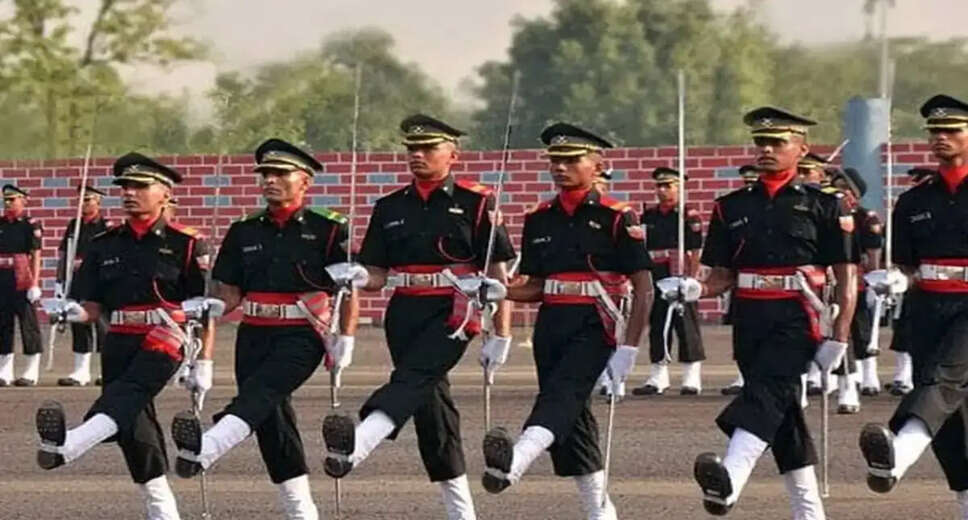
Introduction to the NDA Exam
The National Defence Academy (NDA) is a prestigious institution where countless young individuals aspire to serve their country. Many students, upon completing their Class 12, grapple with uncertainties regarding the NDA. Some mistakenly perceive it as a direct employment opportunity, while others think of it merely as a training facility. A common concern is whether proficiency in English is a prerequisite for selection.
Clarifying the NDA's Role
Understanding the NDA's function is crucial. It is not just a job or a training center; it is an academy located in Khadakwasla, Pune, Maharashtra. Here, cadets from the Army, Navy, and Air Force receive joint training. Admission to the NDA is the first step towards becoming an officer, but actual service begins only after completing the training.
The NDA Experience
Upon successfully passing the UPSC NDA exam and the SSB interview, cadets embark on a three-year journey at the academy. This journey includes:
1. **Academics**: Cadets pursue a degree (BA, BSc, or B.Tech) awarded by Jawaharlal Nehru University (JNU).
2. **Training**: In addition to academics, cadets undergo extensive physical training and learn essential skills like discipline and leadership.
3. **Final Year**: After three years, cadets proceed to their respective service academies (IMA Dehradun, INA Ezhimala, or AFA Dundigal) for an additional year of advanced military training.
Only after this rigorous training are they commissioned as Lieutenants or in equivalent ranks, marking the NDA as a pathway to a government job as a commissioned officer.
Language Requirements for the NDA
A common question is whether an English-medium background is necessary for the NDA. The answer is no. Candidates from Hindi medium or any regional language background can apply for the NDA exam. The UPSC conducts the written examination in both Hindi and English.
Regarding the SSB interview, which follows the written exam, consider the following:
1. **Confidence Over Language**: The interview board evaluates your decision-making skills and thought processes under pressure.
2. **Basic English Knowledge**: While a fundamental understanding of English is beneficial for expressing your thoughts, perfect grammar or fluency is not mandatory.
3. **Speaking in Hindi**: If you struggle with English during discussions, you can express your ideas in Hindi but should attempt to revert to English afterward.
Aspiring army officers should not let language barriers hinder their ambitions. The NDA values competence, patriotism, and a mindset suited for leadership. Focus on enhancing your basic English skills and remain dedicated to your goal.