
Understanding the Differences Between Architects and Interior Designers
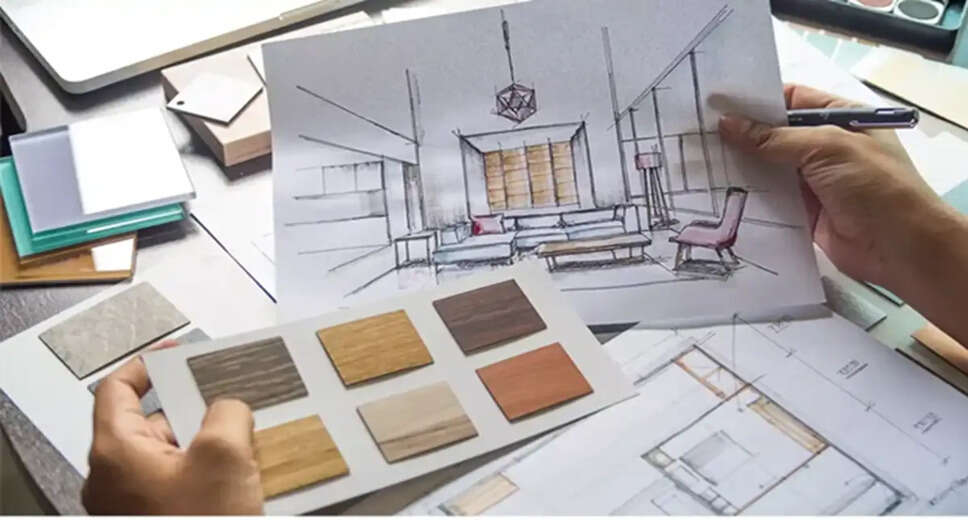
Architect vs. Interior Designer: Key Differences
Architect vs. Interior Designer: When embarking on the journey of constructing a new home, office, or any building, two essential roles come to mind: the architect and the interior designer. Although often confused, these professions serve distinct purposes. An architect is primarily concerned with the structural integrity, safety, and overall blueprint of the building, while an interior designer focuses on creating an aesthetically pleasing and functional interior space. Their educational paths, job responsibilities, and areas of expertise vary significantly.
Whether you are looking to build your dream residence or considering a career after completing Class 12, the fields of creativity and construction present various opportunities. Thus, grasping the differences between an architect and an interior designer is vital. From determining wall placements to selecting suitable paint and lighting, both professionals play crucial roles. Let’s delve into their educational requirements, salary expectations, and job profiles.
Roles and Responsibilities
Architect: Architects are responsible for designing the structural framework of buildings on vacant lots. They create detailed blueprints for both the exterior and interior, ensuring that the structure is well-ventilated, earthquake-resistant, and adheres to government regulations. Their work is heavily focused on technical aspects and safety considerations.
Interior Designer: The role of an interior designer begins after the architect has completed the structural work. They focus on how to best utilize the interior space, making decisions about furniture placement, lighting types, ceiling designs, and color schemes that enhance the room's spaciousness. Their primary concern is aesthetics and comfort.
Educational Pathways
Becoming an Architect: In India, to become a registered architect, one must complete a five-year Bachelor of Architecture (B.Arch) program. Eligibility requires studying Physics, Chemistry, and Mathematics (PCM) in Class 12, along with passing entrance exams such as NATA or JEE Paper-2.
Becoming an Interior Designer: After finishing Class 12 in any stream (Arts, Commerce, or Science), aspiring interior designers can pursue a 3- or 4-year degree (B.Des) in interior design. Alternatively, they can enter the field through a 1- or 2-year diploma or certificate course.
Salary Insights
Starting Salaries: A newly graduated architect can expect a starting salary between ₹25,000 and ₹40,000 per month, while a fresh interior designer typically earns between ₹20,000 and ₹35,000 per month.
Experienced Professionals: With experience and a robust portfolio, earnings can significantly increase. Experienced architects can earn lakhs or even crores from large-scale projects. Interior designers often charge per square foot or take a commission of 10–15% of the total project cost, allowing for substantial earnings as well.
Choosing Your Path
Architectural Career: If you have a passion for mathematics, calculations, science, and technical details, and aspire to design large structures, architecture may be the ideal field for you.
Interior Design Career: Conversely, if you are enthusiastic about colors, innovative decor, and have a talent for transforming spaces, pursuing a career in interior design could be more suitable.