
Understanding Road Markings: A Guide for Safe Driving
The Importance of Road Markings
If you regularly drive a motorcycle or car, you might have noticed various white and yellow lines on the roads. While many people dismiss these as mere decorations, they actually serve a vital purpose in managing traffic and reducing accidents. It's crucial for both drivers and passengers to understand their significance.
What Do Different Lines Mean?
1. **Broken White Line**: This is the most frequently seen marking on Indian roads. It indicates that you can change lanes or overtake another vehicle if the road is clear and no vehicles are approaching from behind. However, caution is essential during this maneuver.
2. **Solid White Line**: A continuous white line signifies that you must remain in your lane. Crossing this line to overtake or change lanes is deemed unsafe, especially on high-speed roads and highways.
3. **Double White Line**: Two parallel solid white lines mean that changing lanes is prohibited under any circumstances. These markings are typically found in high-risk areas where even a slight lapse in attention could lead to serious accidents.
4. **Broken Yellow Line**: This line usually separates traffic moving in opposite directions. Overtaking is allowed near this line if the road ahead is clear and there is enough space, but drivers must remain vigilant and follow traffic rules.
5. **Solid Yellow Line**: A continuous yellow line indicates that overtaking is not allowed. These lines are often placed in high-risk areas such as curves, slopes, or sections with limited visibility.
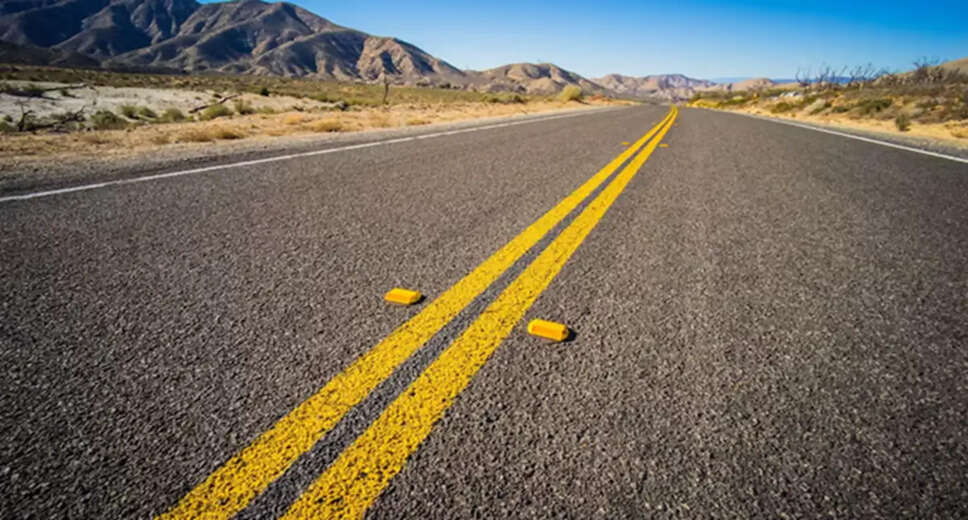
6. **Double Yellow Line**: This marking represents a strict prohibition against changing lanes or overtaking. Found on bridges, sharp curves, and busy intersections, it serves as a strong warning to ensure safe traffic flow.
The Role of Zebra Crossings and Stop Lines
Zebra crossings, marked by black-and-white stripes, are designated for pedestrians. Drivers must stop to allow pedestrians to cross safely. Additionally, the straight white stop line near traffic signals indicates where vehicles must halt when the light turns red. Following these rules is crucial for the safety of both pedestrians and other road users.