
Understanding National Solidarity Day: Significance and Observance
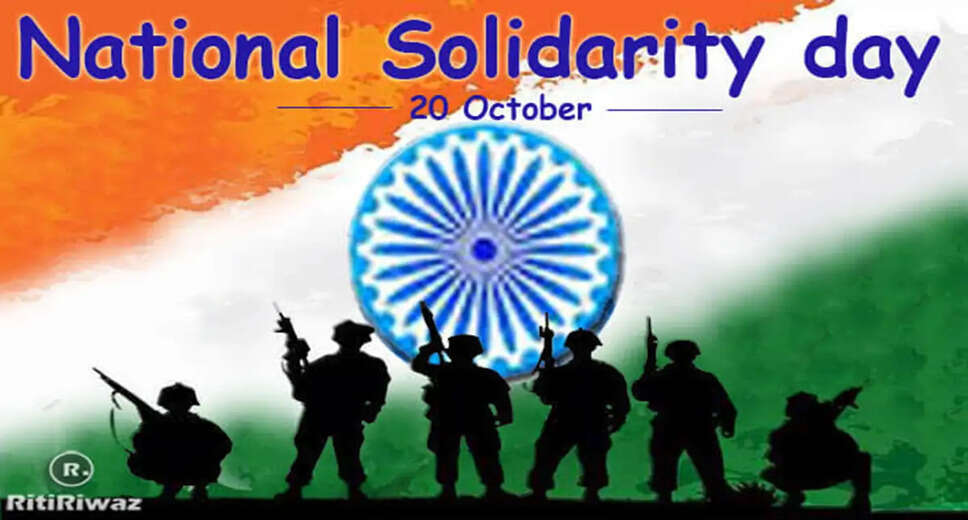
National Solidarity Day Overview
Every year on October 20th, India commemorates National Solidarity Day (Rashtriya Ekjutata Diwas) to emphasize the significance of national unity, integrity, and security. This day honors the bravery and sacrifices made by Indian soldiers during the 1962 Sino-Indian War. Despite India's rich tapestry of languages, religions, and cultures, this observance serves as a reminder that all citizens are united as one nation, reinforcing the need for collective strength and security.
Historical Context of the 1962 Sino-Indian War
The choice of October 20th for National Solidarity Day is significant as it marks the onset of the conflict between India and China in 1962. The Chinese military initiated an attack along the borders, leading to fierce battles in challenging conditions. This war is a pivotal moment in Indian history, and the observance of this day pays tribute to the valor of those who fought.
Establishment of National Solidarity Day
The formal recognition of National Solidarity Day began in 1966 under the leadership of then-Prime Minister Indira Gandhi. A committee was formed to honor the sacrifices of soldiers and promote national unity. Since then, October 20th has been celebrated with various public events and educational programs aimed at instilling a sense of responsibility and unity among citizens.
Significance of National Solidarity Day
The essence of National Solidarity Day lies in nurturing a spirit of unity and brotherhood among the populace. Despite the diversity in languages, religions, and cultures, a common national identity unites all Indians. This day serves as a reminder that national interests should always take precedence over individual differences, while also honoring the dedication of the Armed Forces.
Observing National Solidarity Day in Educational Institutions
Schools and colleges can celebrate National Solidarity Day through various activities such as speeches, essay contests, quizzes, and poster-making. Educators can inform students about the 1962 war, the contributions of soldiers, and the importance of unity. Engaging discussions can help students appreciate how diverse backgrounds contribute to national strength.
Lessons for Students
National Solidarity Day imparts valuable lessons about the importance of unity beyond ceremonial observances. It encourages respect for classmates from different backgrounds, aiding those in need, and fostering cooperation. Understanding the nation's history is crucial for recognizing the significance of collective efforts during tough times.
Distinction Between National Solidarity Day and National Unity Day
While both National Solidarity Day and National Unity Day focus on unity, they are distinct observances. National Solidarity Day is observed on October 20th in relation to the 1962 war, whereas National Unity Day is celebrated on October 31st, honoring Sardar Vallabhbhai Patel's role in India's integration. Understanding these differences is essential, especially for students and those preparing for competitive exams.
Core Message of National Solidarity Day
The core message of National Solidarity Day is that a nation's strength is rooted in the unity, cooperation, and shared responsibilities of its citizens. This day not only commemorates the sacrifices of soldiers but also serves as a reminder for citizens to remain vigilant about national sovereignty and integrity. Discussions about this day can help instill the true meaning of unity in future generations.