
The Science Behind Why Most Airplanes Are White
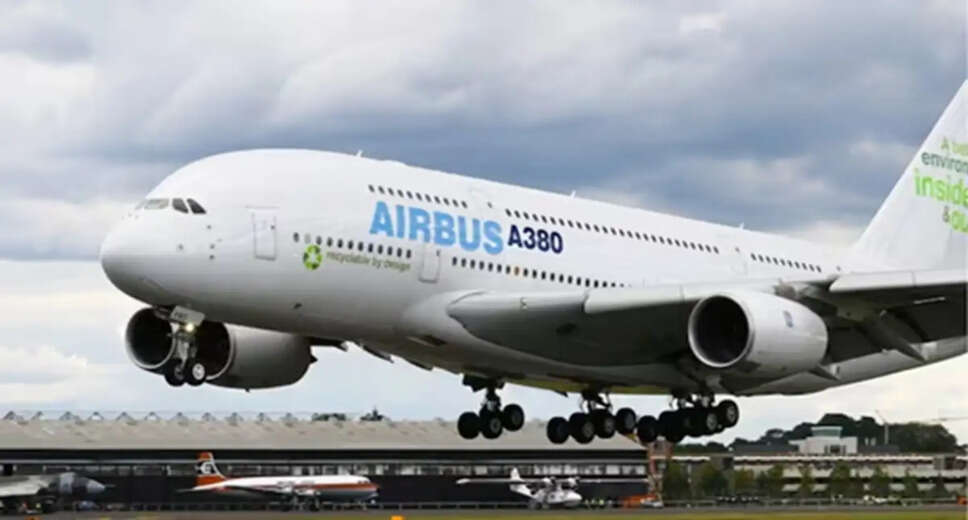
Why Are Airplanes Primarily White?
When we look at airplanes at airports, a striking observation is that the majority of them are painted white. This trend is not just a matter of aesthetics; there are several scientific and practical reasons for this choice. The color white significantly contributes to safety, maintenance, and fuel efficiency.
1. White Reflects Solar Heat
One of the primary benefits of white paint is its ability to reflect sunlight effectively. This characteristic helps keep the aircraft's interior cooler by minimizing solar heat absorption. In contrast, darker colors tend to absorb heat, which can lead to overheating when planes are parked on the tarmac. By using white paint, airlines can maintain a comfortable cabin temperature and reduce the workload on air conditioning systems, ultimately saving fuel.
2. Enhanced Safety
White paint also plays a crucial role in safety. It allows for easy visibility of minor defects on the aircraft's surface, such as cracks, rust, or oil leaks. Early detection of these issues is vital for timely repairs, which can prevent serious accidents. This is why many aviation companies prioritize white paint for their fleets.
3. Visibility in Emergencies
In emergency situations, such as forced landings or search and rescue operations, white airplanes are easier to spot from afar. The color stands out against various backgrounds, including the sky and ocean, aiding rescue teams in locating the aircraft quickly.
4. Cost-Effective for Airlines
Painting an aircraft is a costly endeavor, requiring substantial amounts of paint and labor. White paint is not only easier to maintain but also fades less over time compared to darker shades. This longevity reduces the frequency of repainting, leading to lower maintenance costs for airlines.
5. Weight Reduction and Fuel Efficiency
The weight of an aircraft directly impacts its fuel consumption. White paint typically requires fewer layers, resulting in a lighter overall weight. Even a slight reduction in weight can translate to significant fuel savings for airlines over time.
6. Protection from Weather Elements
Airplanes face harsh weather conditions, including intense sunlight and varying temperatures. White paint provides a protective layer against harmful UV rays, which helps preserve the aircraft's exterior and extends its lifespan. This is especially beneficial in regions with high sun exposure.
7. Are All Aircraft White?
While white is the predominant color for most airlines, some companies opt for different colors to enhance their brand identity. Certain airlines have introduced aircraft with unique designs in darker shades, but they often incorporate lighter colors to retain the advantages of safety and fuel efficiency.