
The Importance of Sleep Breaks in Schools: Insights from Japan and China
The Role of Sleep in Education
In Japan, sleep is deemed crucial for both mental and physical health. This belief has led to many educational institutions, including schools and colleges, implementing designated times for short naps or rest periods.
Unique Educational Practices Around the World
Different countries have distinct educational systems, and some practices can be quite surprising. In various Asian nations, the focus extends beyond academics to include lessons on discipline, self-sufficiency, and healthy living. Notably, many schools in these regions allocate time for students to rest, in addition to their lunch breaks, which is believed to enhance concentration and learning.
Sleep Breaks in Japanese Schools
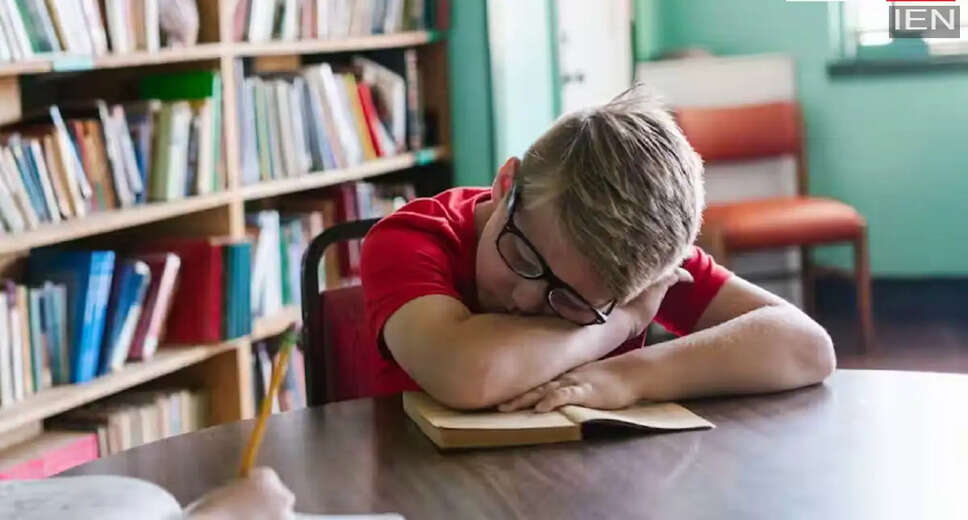
Japanese educational institutions recognize the significance of sleep, allowing students a rest period of 20 to 40 minutes post-lunch. This practice is thought to help students recharge, making their academic responsibilities feel less overwhelming. Interestingly, if a student dozes off during class, it is often seen as a sign of their hard work rather than a disruption.
Rest Periods in Chinese Schools
Similarly, many schools in China provide students with time to rest after lunch. Reports and viral videos show that students often use their desks as makeshift beds, equipped with pillows and sheets for comfort. Additionally, Chinese schools incorporate warm-up exercises twice daily and allow a one-hour lunch break, during which students can nap.
Promoting Independence in Japan
Japan's education system is celebrated for its discipline and advancement. From an early age, children are encouraged to be self-sufficient, learning not only academic subjects but also life skills and responsibilities. Tasks such as managing their own schoolwork and using public transport for errands are common.
Holistic Education in China
China's educational framework is designed to equip individuals from childhood with a comprehensive skill set. Starting formal education at age six, the system emphasizes not just basic education but also vocational, higher, and adult education, ensuring a well-rounded development.