
Sudden Weather Change in Delhi NCR: Heavy Rain Causes Daytime Darkness
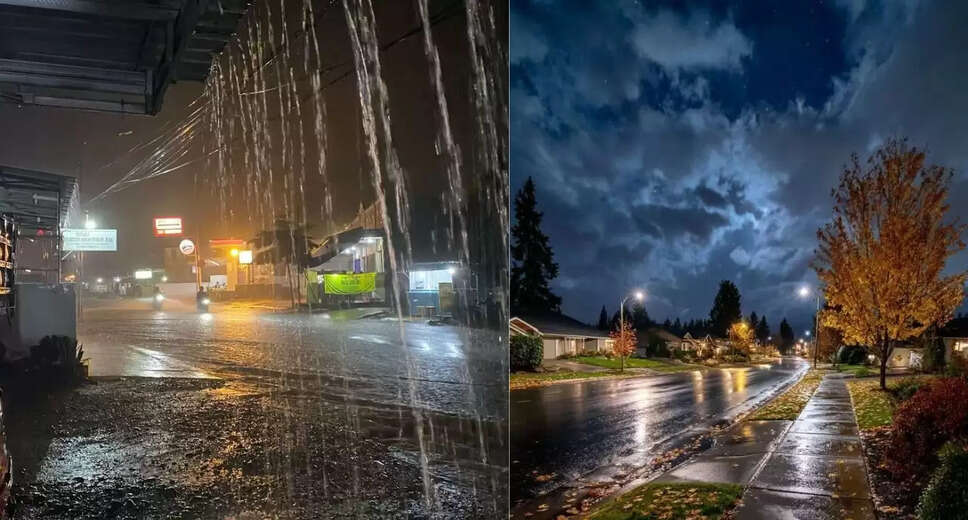
Weather Takes a Turn in Delhi NCR
New Delhi: Today, the weather in Delhi NCR experienced a sudden shift, with heavy rainfall reported in several areas. This downpour led to an unusual phenomenon where darkness enveloped the surroundings even during the day. It is not uncommon during the rainy season for the sky to appear as if it is night, prompting the need for streetlights even in the afternoon.
The sky was covered with thick, dark clouds, preventing sunlight from reaching the ground. This situation directly impacts temperature, visibility, and daily life. Meteorologists indicate that the primary reason for daytime darkness during rain is the presence of dense rain clouds.
What Are These Clouds Called?
These clouds are referred to as cumulonimbus. They are exceptionally thick and tall, extending several kilometers into the atmosphere. When such clouds cover the sky in multiple layers, sunlight cannot penetrate, resulting in a night-like darkness during the day.
Conditions During Rainfall
During rainfall, the humidity and water vapor content in the air significantly increase. Tiny water droplets present in the air absorb sunlight, scattering it in all directions, which leads to a dim light instead of bright illumination. Consequently, the atmosphere appears heavy and dark.
Experts from the meteorological department explain that when rain occurs due to a low-pressure area or storm system, the conditions worsen. In such systems, clouds remain denser and linger for longer periods, causing an even more pronounced darkness during the afternoon.
What Causes This Phenomenon?
One characteristic of monsoon clouds is their tendency to spread in a north-south direction. If clouds accumulate in the direction of the sun, the light can be almost entirely blocked. Additionally, the combination of cool winds and continuous rain leads to a drop in temperature, making people feel cold and shivery.
Is There Any Danger Associated?
Experts assert that experiencing darkness during the day due to rain is neither unusual nor dangerous. It is a normal part of the weather cycle. The combined effects of dense clouds, humidity, and wind are what transform daytime into a night-like experience.