
Rajasthan Launches National E-Library to Enhance Reading Among Students
Innovative Educational Initiative in Rajasthan
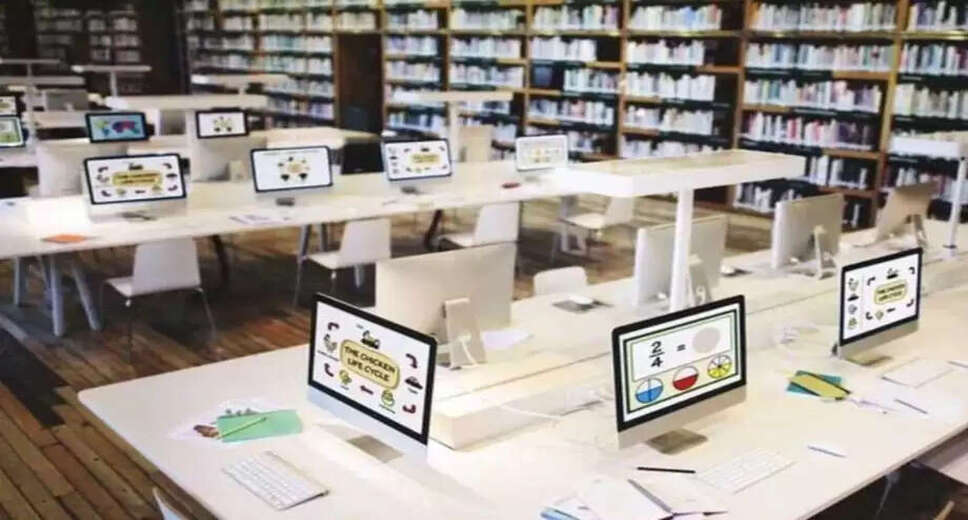
The Rajasthan Education Department is actively implementing new strategies to benefit school and college students. A recent initiative is the introduction of the National E-Library, aimed at fostering reading habits and providing access to a wide range of quality literature. This digital library is freely accessible to children, promoting both digital education and the concept of e-libraries across the state.
The e-library features a selection of engaging and informative books designed to encourage reading among students. These resources aim to make the learning experience enjoyable. Additionally, the Rajasthan Education Department has previously launched various digital libraries and educational applications for government schools, such as the Raj-E-Gyan portal and the My Career Advisor app. These platforms offer e-content, videos, audio materials, PowerPoint presentations, and books, facilitating easy access to digital learning resources.
Diverse Content Offered in the National E-Library
The newly established e-library provides a variety of books across multiple genres, including fiction, non-fiction, picture books, biographies, autobiographies, self-help, science and technology, adventure, and mystery. It boasts a collection of over 5,500 non-educational titles from 200 different publishers, available in 23 Indian languages. This allows children and young adults to explore literature that aligns with their interests at no cost. Furthermore, the library includes NCERT textbooks, supporting students in learning regional languages. Developed by the National Book Trust, this e-library can be accessed through websites and mobile applications, and students can also utilize it in their school smart classrooms.
Special Features for Young Learners
The National E-Library also features ‘E-Jaadui Pitara’ (E-Magical Box), tailored for young children and primary school students. This section includes educational books alongside games, puzzles, puppets, posters, flashcards, story cards, activity books, and teacher handbooks, all designed to simplify the learning process for children. The books are organized into four age categories: 3 to 8 years, 8 to 11 years, 11 to 14 years, and 14 years and older. This classification aligns with the National Education Policy 2020, ensuring that readers of all ages can find suitable materials that cater to their comprehension and interests.