
Pathways to Becoming a Pilot in the Indian Air Force
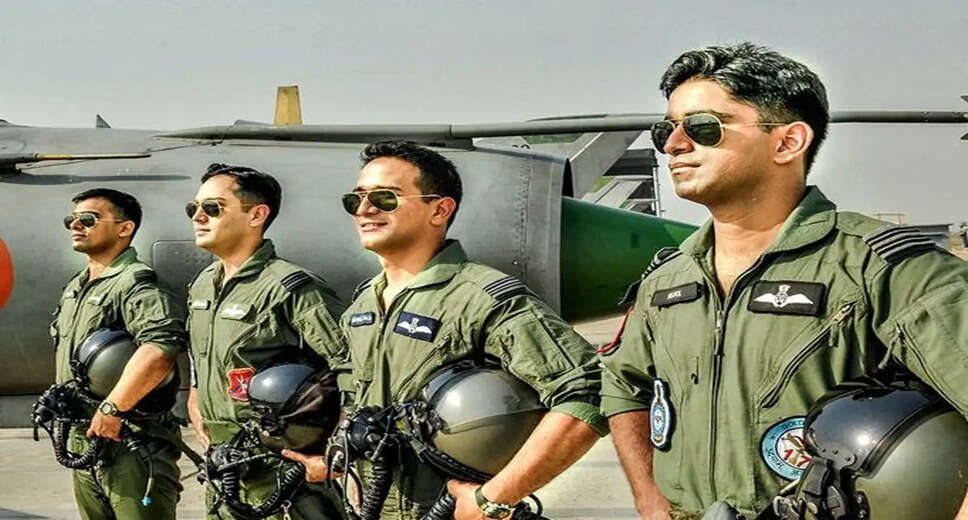
Celebrating Indian Air Force Day
Indian Air Force Day is observed annually on October 8th, honoring the contributions and valor of the nation's Air Force personnel. Among the various roles within the Air Force, the aspiration to become a pilot is particularly cherished by the youth. Pilots are responsible for flying fighter jets and safeguarding the country's aerial defense. For those interested in pursuing a career as a pilot in the Indian Air Force, there are specific pathways available after completing Class 12.
Routes Available After Class 12
Primary Pathway: National Defence Academy (NDA)
To become a pilot in the Indian Air Force after Class 12, the main route is through the NDA. Candidates need to take the NDA exam, which is organized by the Union Public Service Commission (UPSC). It is essential to have studied Physics and Mathematics in Class 12. After passing the NDA exam, candidates will go through the Services Selection Board (SSB) selection process. Those who are selected will undergo approximately three years of training at the NDA located in Khadakwasla. Following this, they will complete the necessary flying training before serving as pilots in the Air Force.
Opportunities for Graduates
Pathways After Graduation
Graduates who wish to become pilots in the Indian Air Force can explore options such as the Combined Defence Services (CDS) examination and the Air Force Common Admission Test (AFCAT). To join the Flying Branch via CDS, candidates must fulfill specific educational requirements. Similarly, graduates can apply for the Flying Branch through AFCAT. It is crucial to check the official notifications for age limits, educational qualifications, and other criteria, as these may differ for each recruitment cycle.
Becoming a Pilot via AFCAT
AFCAT Overview
AFCAT serves as a significant entry point for aspiring officers in the Indian Air Force. Graduates can apply for the Flying Branch through this examination. The selection process includes a written test followed by further assessments, including the SSB interview. Candidates must also meet specific physical and medical standards; passing the written exam alone is insufficient. The evaluation process assesses mental aptitude, teamwork, leadership qualities, and other essential attributes. Successful candidates will then proceed to flight training.
SSB and Medical Examination Process
Understanding the SSB and Medical Tests
Candidates applying through NDA, CDS, or AFCAT must undergo the SSB process, which evaluates various qualities such as mindset, personality, mental aptitude, teamwork, and leadership skills. Following this, a medical examination is conducted, which is particularly stringent for Flying Branch candidates. They must meet the Air Force's specific health and vision standards. Successfully passing all these stages is essential for advancing to the next phase of training.
Training to Become a Pilot
Flight Training Locations
After completing the selection process, candidates will receive flight training at designated Air Force training institutes. This training includes both initial and advanced flight training. The Air Force Academy at Dundigal is the leading institution for training Air Force officers. During this training, candidates learn vital skills such as flying aircraft, conducting air operations, ensuring safety, and managing emergency situations. Completing this training allows candidates to progress as officers in the Flying Branch, marking the beginning of their journey as pilots.