
Over 100,000 Schools in India Operate with Just One Teacher, Reveals UDISE+ Report
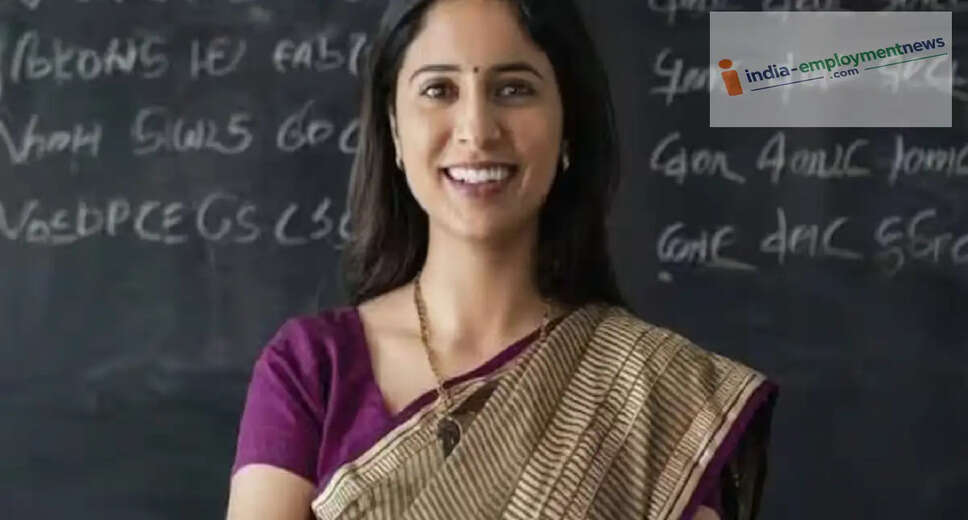
Single-Teacher Schools in India
The UDISE+ report has unveiled a concerning statistic: more than 100,000 schools in India are managed by a single teacher. This alarming figure, presented by the Union Ministry of Education in Parliament, highlights ongoing challenges in the country's educational landscape.
Despite the popular slogan, "If India studies, India will progress" (*Padhega India toh Badhega India*), the reality is stark. The latest data indicates that a significant number of schools depend on one individual to handle all responsibilities, from administrative duties to teaching students across grades one to five.
Statistics on Single-Teacher Schools
The Ministry of Education's findings reveal that there are 100,843 schools functioning under a single-teacher model. This includes government, government-aided, and some private institutions. Encouragingly, this number has decreased by approximately 3% from the previous year, which recorded 104,125 such schools. The government's initiatives have led to a reduction of 3,282 single-teacher schools, yet the persistence of over 100,000 remains a pressing issue for educational policy.
Regionally, Andhra Pradesh leads with the highest number of single-teacher schools, totaling 16,357, which represents over 16% of the national figure. Jharkhand follows with 9,827 schools, while Maharashtra ranks third with 9,269. Other states, including Karnataka, Himachal Pradesh, and Uttar Pradesh, also report a significant presence of single-teacher schools, particularly in rural areas.
Impact on Students
Millions of children are affected by this educational structure. Data shows that over 2.9 million students are enrolled in these schools. The Right to Education Act mandates a minimum of one teacher for every 30 students at the primary level and one for every 35 at the upper primary level. Although the national student-teacher ratio appears acceptable, the transfer and posting issues of teachers have left many rural students without access to quality education.
Government Initiatives
To combat this issue, the Ministry of Education and various state governments are implementing strategies. They are merging government schools with low or no enrollment with larger nearby institutions. Additionally, policies are being enacted to redeploy surplus teachers to rural schools facing severe shortages, aiming to ensure that no child has to rely solely on one teacher for their education in the future.