
New Marriage Guidelines for Agniveers: Key Changes Ahead of 2026
Significance of 2026 for Agniveers
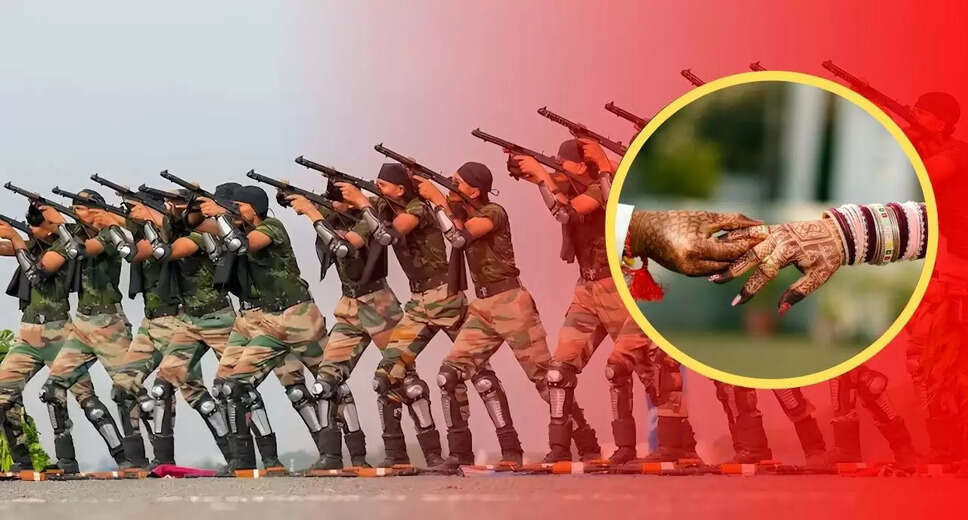
New Delhi: The year 2026 holds great importance for Agniveers who have enlisted under the Agniveer scheme. After completing four years of service, many aspire to transition into permanent soldiers. In this context, the Indian Army has announced a significant decision regarding personal life. The new regulations clearly state that marriage is prohibited during the application and selection process for permanent soldier positions. This guideline directly impacts the future and service eligibility of Agniveers.
Understanding the Selection Process
The Army has clarified that the process for permanent appointment does not conclude immediately after the service period ends; it typically takes an additional 4 to 6 months. During this time, candidates undergo physical tests, written examinations, and document verification.
Purpose of the New Regulation
The Indian Army has implemented this rule to maintain transparency in the permanent recruitment process and uphold service discipline. The path to becoming a permanent soldier is based on performance and merit. If an Agniveer marries during the selection process, their application will be rejected, rendering them ineligible for permanent service. This regulation ensures that candidates can focus entirely on their performance and assessments during this critical period.
When Can Agniveers Marry?
According to the new guidelines, Agniveers must refrain from marrying until they receive their appointment letter as permanent soldiers. They will only be permitted to marry after the announcement of their permanent appointment. The process of permanentization typically concludes within 4 to 6 months after completing their service, meaning Agniveers will only need to wait a few additional months post-service before they can marry without restrictions.
Status of the 2022 Batch
The Agniveer scheme was launched in 2022, and the first batch is set to complete its service in 2026, comprising around 20,000 young individuals. This batch will be discharged between June and July 2026. The Army has also made it clear that only 25% of Agniveers will be inducted into the permanent force, based on physical fitness, written exams, behavioral assessments, and overall performance. Successful candidates will be prioritized for permanent service.
Consequences of Violating the Rules
The Army has issued a stern warning that Agniveers who marry during the selection process will be immediately disqualified from the race for permanent service. Their applications will not be accepted, regardless of their performance level. This rule applies equally to all candidates. Therefore, Agniveers are advised to exercise patience during this period and adhere to the regulations. Any attempts to circumvent the rules or engage in unfair practices could jeopardize their service opportunities.
Post-Appointment Relief
Once selected as permanent soldiers, Agniveers will no longer be subject to these marriage restrictions. After receiving their appointment, they can marry according to their personal wishes and family plans. The Army has emphasized that this rule is limited to the selection process duration. After joining the permanent force, Agniveers will enjoy the same marital benefits and life planning freedoms as regular soldiers. This decision aims to prioritize the performance of young recruits.