
Nationwide Protests Planned Against New Labor Laws on February 12, 2026
Nationwide Demonstration Scheduled
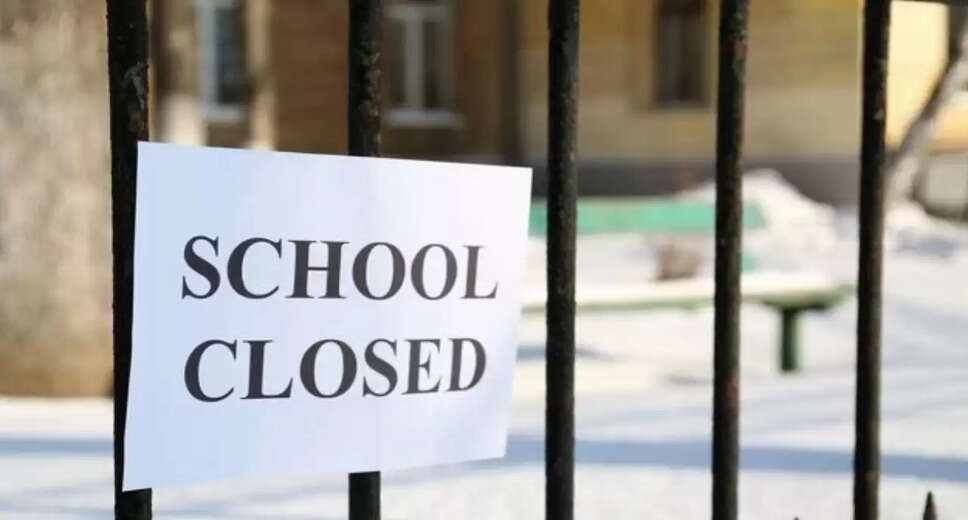
On February 12, 2026, central trade unions and farmers' organizations are set to hold nationwide protests against the new labor laws and the proposed India-US trade agreement. Reports indicate that a coalition of ten central trade unions, including INTUC, AITUC, HMS, CITU, AIUTUC, TUCC, SEWA, AICCTU, LPF, and UTUC, has announced a strike that could disrupt road traffic and daily activities. Consequently, schools and colleges across the state are likely to remain closed on this date.
Market Closures Expected
As of now, there has been no official confirmation regarding the closures. In addition to educational institutions, public sector banks, government offices, transportation services, and markets in several states may also be closed.
What Will Remain Open and What Will Be Closed
- Public sector banks (may operate at reduced capacity).
- Government offices and public sector enterprises (likely to have low attendance).
- Public transport services, including buses and taxis (operating at reduced frequency).
- Factories and industrial units (work may be suspended).
- Schools and colleges (expected to be closed).
- Markets and local shops (likely to be closed).
Services That Will Remain Operational
- Hospitals and emergency medical services.
- Ambulance services.
- Medical stores and pharmacies.
- Fire and rescue services.
- Milk supply.
- Newspaper delivery.
- Airports and flight operations.
- ATMs.
Concerns Over New Labor Laws
Labor unions are opposing four new labor laws that have replaced 29 existing laws enacted last year. Critics argue that these new regulations will undermine workers' rights, reduce job security, and make it easier for employers to hire and fire employees. They have also raised concerns about privatization, wage-related issues, and the lack of social security.
According to the unions, protest notices have been distributed across various sectors and industries. They are demanding the repeal of four labor codes and regulations, the withdrawal of the seed bill draft, the electricity amendment bill, and the Sustainable Nuclear Energy Harnessing and Development (Peace) Act. Additionally, they are calling for the restoration of MGNREGA and the repeal of the Developed India - Employment and Livelihood Mission (Rural) Act, 2025.