
Madhya Pradesh's Technical Education Revolution: RGPV to Split into Three Universities
Historic Changes in Technical Education
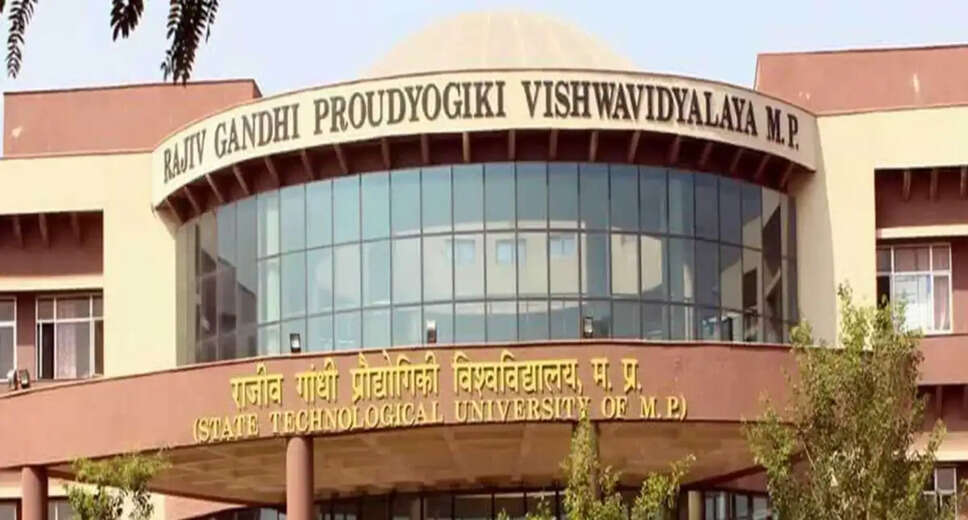
A significant transformation is on the horizon for technical education in Madhya Pradesh. The state government has sanctioned the restructuring of Rajiv Gandhi Proudyogiki Vishwavidyalaya (RGPV) in Bhopal. This initiative will see the largest technical university in the state divided into three distinct universities, a decision that carries political implications due to the removal of Rajiv Gandhi's name from the institution.
New University Names and Structures
Under the new plan, the main campus in Bhopal will be renamed ‘Madhya Bharat University of Technology and Skills’. This institution will focus on overseeing technical education and skill development regionally. Furthermore, the autonomous engineering college in Ujjain will gain independent university status as ‘Malwa University of Technology and Skills’, while the Jabalpur engineering college will be established as ‘Mahakaushal University of Technology and Skills’. This restructuring allows students from the Malwa and Mahakaushal regions to affiliate with their local universities, reducing reliance on Bhopal.
Independent Governance for Each University
**Separate Acts, Distinct Administrative Systems**
A notable aspect of this reorganization is the creation of separate legislative Acts for each new university. This will enable them to operate as fully autonomous entities, managing their own admissions, examinations, curricula, and administrative functions independently of RGPV. The government believes this decentralization will enhance the management of technical education to better meet regional demands.
Impact on Students and Colleges
**Impact on Lakhs of Students and Hundreds of Colleges**
Currently, RGPV is the largest technical university in Madhya Pradesh, with around 585 colleges across 55 districts affiliated to it, serving approximately 3.83 lakh students. This reorganization will significantly affect thousands of students, faculty, and college administrators. A pressing concern is how the new affiliation system will function for colleges previously under RGPV, particularly regarding degree issuance and potential confusion during the transition.
Political Controversy Surrounding the Name Change
**Political Row Over Renaming**
While the government promotes this decision as a vital step towards administrative reform, the Congress party has voiced strong opposition. They argue that the removal of Rajiv Gandhi's name signifies the BJP government's narrow perspective. Congress claims that the BJP prioritizes renaming existing institutions over creating new ones, emphasizing that Rajiv Gandhi's contributions to the IT sector warrant the university's name. They demand that despite the reorganization, the university's name should remain unchanged.
Looking Ahead
As the government moves forward with drafting the Acts for the new universities, attention will be on the timeline for implementation and whether the government will maintain its stance amidst opposition. The upcoming months will reveal the impact of these changes on the technical education landscape in Madhya Pradesh, affecting countless students, educators, and institutions.