
Madhya Pradesh Government Lifts 25-Year-Old Two-Child Policy for Job Eligibility
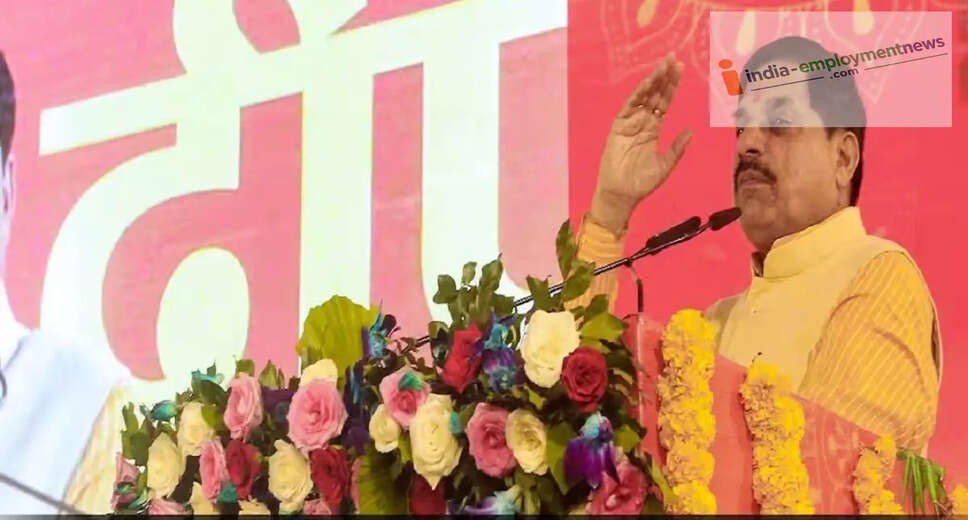
Madhya Pradesh Government's New Decision
The government of Madhya Pradesh has made a significant change by abolishing the longstanding 'two-child' rule that restricted eligibility for government jobs. This decision is anticipated to benefit numerous government employees and those preparing for competitive exams.
Details of the Policy Change
Under the leadership of Chief Minister Mohan Yadav, the state government has officially removed the 25-year-old policy during a cabinet meeting in Mandsaur. This amendment to the Madhya Pradesh Civil Services Rules, 1961, eliminates the disqualification of candidates with more than two children from government positions. Previously, individuals with a third child born on or after January 26, 2001, were deemed ineligible for state employment.
Understanding the Two-Child Rule
The previous policy mandated that candidates with more than two children, born after a designated date, were ineligible for government jobs. During recruitment, candidates had to declare their family size, and violating this rule post-appointment could lead to disciplinary actions, including denial of promotions or termination. However, exceptions were made for cases involving multiple births or children with disabilities.
Implications of the New Decision
With this new ruling, candidates with three or more children will now be eligible for government job opportunities without disqualification based on family size. Additionally, the Madhya Pradesh Civil Services (Conduct) Rules, 1965, will also be amended to reflect this change, allowing employees facing disciplinary actions solely due to having more than two children to find relief as ongoing inquiries will be dismissed.
Pending Cases Affected
Reports indicate that there are around 8,000 to 10,000 pending cases related to this issue across various government sectors, particularly in School Education, Higher Education, Health, and Medical Education. This policy change is expected to positively impact over 30,000 teachers in the School Education Department.
Conditions for Relief
While this decision is a step forward for many, the government has set a crucial condition. Employees who have already faced disciplinary actions with final orders under the old rules will not automatically receive relief. Similarly, those dismissed due to the two-child policy will not be reinstated automatically. This relaxation primarily benefits employees whose inquiries or disciplinary actions are still pending.