
Lok Sabha Deadlock Over Rahul Gandhi's Speech and Agnipath Scheme Employment Concerns
Lok Sabha Stalemate
Last week, the Lok Sabha faced a significant deadlock regarding whether Rahul Gandhi, the Leader of the Opposition, should be allowed to speak. Tensions rose after Gandhi raised questions about the government, referencing insights from General M.M. Naravane's unpublished book. This situation led to the Motion of Thanks on the President's Address being passed without any discussion. Although the Budget debate was set to commence on Monday, the House remained in a stalemate.
Employment Prospects from the Agnipath Scheme
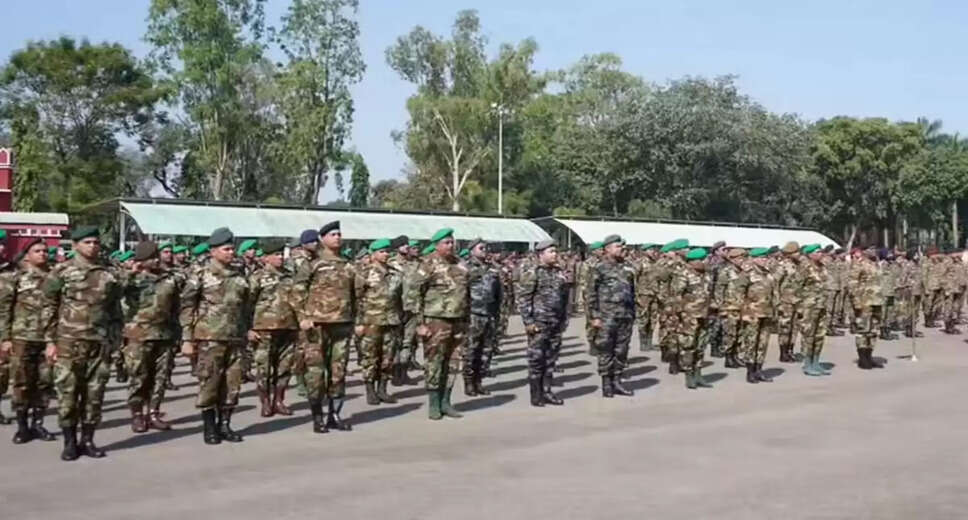
General Naravane's unpublished book also touches upon the Agnipath scheme. The true evaluation of this scheme will occur later this year when the inaugural group of Agniveers completes their service. The Navy's Agniveers will be the first to graduate, with around 2,600 expected to finish their four-year term in November. Following them, the Army and Air Force's first batches will graduate early next year.
Under the current framework, only 25% of Agniveers will secure permanent positions, while the remaining 75% will be discharged. This raises critical questions about the employment opportunities available for those discharged. The government asserts that sufficient measures are in place, with various state governments, including the CAPF, establishing quotas for Agniveers in police roles. However, concerns persist that retaining only 25% of Agniveers as permanent staff is inadequate.
Calls for Increased Permanent Positions
The armed forces have suggested that ideally, 40% to 50%, and in some instances, up to 70% of Agniveers should be granted permanent status. The pressing question remains whether the government will consider increasing the percentage of permanent Agniveers beyond the current 25%. After the first batch's graduation, discussions may arise regarding necessary adjustments.
The government has indicated that it does not plan to extend the four-year tenure for Agniveers. However, there may still be room for adjustments regarding the retention rate of Agniveers. Implementing significant changes for the first batch could potentially ease future complications for the government.
Potential Legal Challenges
If only 25% of the first batch is made permanent, and this policy is altered later to allow more Agniveers to secure permanent roles in subsequent batches, it could lead to a surge in legal disputes. The Ministry of Defense is currently managing numerous cases, often involving its own personnel who have served the nation. Additionally, the Army has recommended that Agniveers who are martyred or disabled receive the same support as regular soldiers, a matter that remains unresolved.
While political discussions surrounding the Agnipath scheme continue, its actual effectiveness is imminent.