
Lala Lajpat Rai: A Revolutionary Leader in India's Freedom Struggle
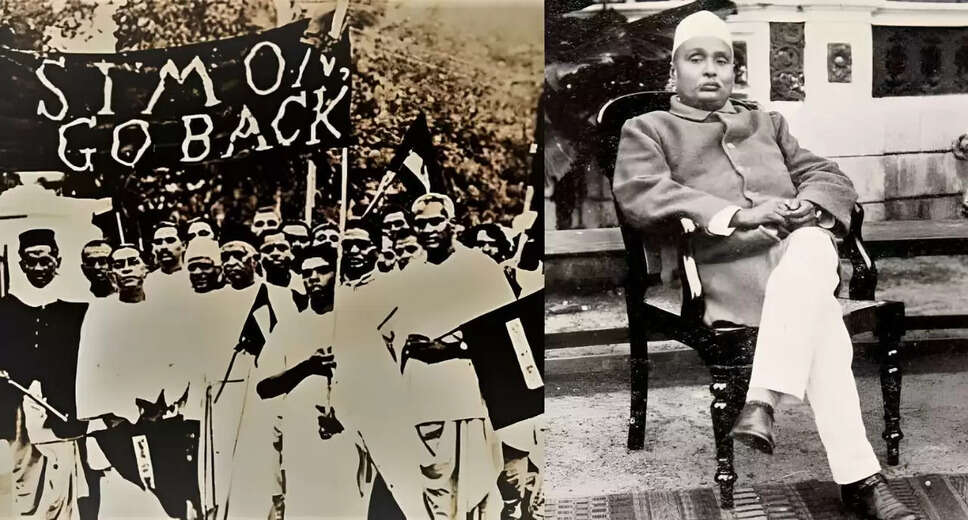
A Pivotal Figure in India's Independence Movement
New Delhi: The opposition to the Simon Commission is regarded as a significant turning point in the history of the Indian independence movement. At the age of 63, Lala Lajpat Rai boldly led this protest against British rule. He was born on January 28, 1865, in Punjab and was a revolutionary politician, author, and a fervent nationalist leader, often referred to as 'Punjab Kesari.'
The Formation of the Simon Commission
In 1927, the British government established the Simon Commission, which faced intense opposition across the nation. The commission aimed to review the workings of the Government of India Act of 1919 and consisted of seven members, all of whom were British.
Reasons Behind the Opposition to the Simon Commission
The absence of any Indian members in the commission was deemed humiliating by the Indian populace. Consequently, the Indian National Congress passed a resolution to boycott the commission in 1927. Wherever the Simon Commission went, black flags were raised, and chants of 'Simon Go Back' echoed.
To suppress the protests, the government imposed Section 144 in several areas. Lala Lajpat Rai led a peaceful demonstration against this injustice, uniting the public through non-violent means. A significant rally against the Simon Commission took place in Lahore on October 30, 1928.
Leadership of the Rally
Lala Lajpat Rai was at the forefront of this rally. As the protest intensified, Police Superintendent James A. Scott ordered a baton charge. The British police ruthlessly attacked the unarmed demonstrators, inflicting severe injuries on Lala Lajpat Rai's chest and head. Despite this, he refused to retreat.
His Demise
He famously stated that every blow he received was a nail in the coffin of British imperialism. Following the baton charge, his health deteriorated, and he succumbed to his injuries on November 17, 1928.
His martyrdom shook the entire nation. Lala Lajpat Rai dedicated his life to education, social reform, and the struggle for independence. Even today, his sacrifice inspires courage and dedication among the youth.