
Kerala's Name Change: Understanding the Shift to Keralalam
Overview of Kerala's Name Change
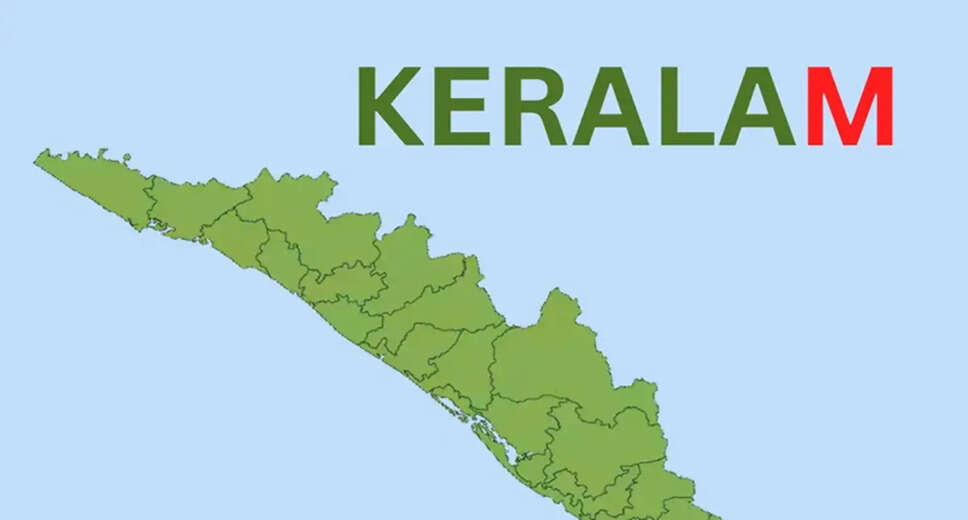
The southern Indian state of Kerala is making headlines due to a proposed name change. The Left Democratic Front (LDF) government has suggested altering the state's name from "Kerala" to "Keralalam," a proposal that has received approval from the central government. This approval paves the way for amendments to the Constitutional Schedule, sparking public interest in the meanings behind both names.
Reasons Behind the Name Change
Kerala's residents hold a deep appreciation for their language and cultural identity. The local language, Malayalam, refers to the state as "Keralaam," while it is known as Kerala in English and Hindi. On June 24, 2024, the Kerala Legislative Assembly passed a resolution advocating for the name change to "Keralalam," emphasizing that the current name appears as Kerala in the First Schedule of the Constitution.
Historical Context of Kerala's Name
The name "Keralalam" originates from Malayalam, but official documents list the state as "Kerala." This naming convention dates back to the post-independence era when states were reorganized based on linguistic lines. Kerala was officially established on November 1, 1956, under the States Reorganization Act, but the Constitution's drafters opted for the name Kerala. Although Malayalam is recognized as the state's language in the Eighth Schedule, the official name remains Kerala.
Meaning of Kerala
The name Kerala is closely linked to the coconut tree, a significant aspect of the state's identity. In Malayalam, 'kera' translates to 'coconut tree,' and 'alam' means 'land.' Therefore, the term 'Kerala' signifies 'land of coconut trees.'
The Process of Changing a State's Name
Changing a state's name in India involves a detailed constitutional procedure. While it is a complex process, Article 3 of the Constitution grants states the authority to rename themselves. The following steps are essential for this process:
- Initiation by the State Legislative Assembly: The state government must pass a resolution in the Legislative Assembly, which is then forwarded to the Union Home Ministry.
- Presidential Approval: Following the central government's consent, the proposal is sent to the President for approval.
- Parliamentary Passage: A special bill must be introduced in Parliament after receiving the President's approval. A simple majority in both the Lok Sabha and Rajya Sabha is necessary for the bill to pass.
- Finalization: Once the bill is approved by Parliament, it is signed by the President, and a notification is published in the Gazette, officially changing the state's name.