
Impact of Iran-US-Israel Conflict on Indian Students Pursuing Medical Studies in Iran
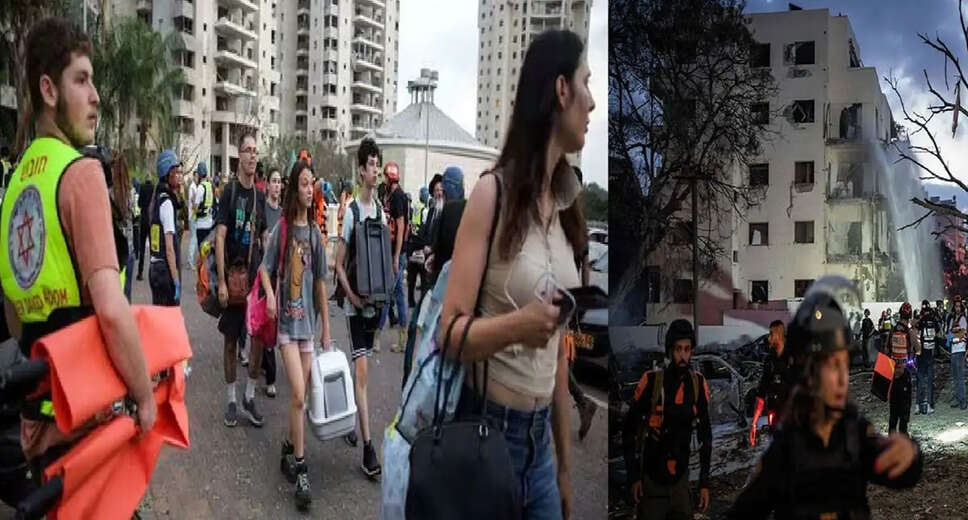
Overview of the Conflict's Impact
Iran–US–Israel War: The ongoing military actions initiated by Israel and the United States against Iran have placed numerous Indian students studying in the country at risk. This raises an important question: why do so many Indian students choose to study in Iran? Let's delve into the reasons behind this trend, especially considering the strict sanctions imposed by the US and Europe and the Islamic regime in place.
Reasons for Indian Students Choosing Iran
Growing Interest in Medical Studies:
Over the past decade, there has been a notable increase in Indian students traveling to Iran, particularly for medical degrees (MBBS/MD). This trend is driven by several practical factors. The allure of studying abroad is complemented by the challenges of pursuing medical education in India, making Iran an attractive option.
Religious Studies:
In addition to medical education, many Indian students, especially from the Shia community, pursue religious studies in Iran, particularly in cities like Qom and Mashhad. Qom, located about 150 km from Tehran, is a prominent center for Shia religious education.
Shortage of Medical Seats in India
High Demand for MBBS Seats:
In India, millions aspire to become doctors, but the number of available seats is limited. Annually, around 20-22 lakh students take the NEET (UG) exam, while government medical colleges offer only a fraction of the required seats, with fees ranging from 55,000 to 60,000 rupees.
Expensive Private Colleges:
While government medical colleges have lower fees, the competition for admission is fierce. Conversely, private medical colleges charge exorbitant fees, making them unaffordable for many middle-class families.
Cost-Effective Medical Education in Iran
Many Iranian universities provide a Doctor of Medicine degree, which is recognized as equivalent to an MBBS in India. The annual tuition fee is approximately 6 lakh rupees, with the total cost for six years of medical education ranging from 15 to 30 lakh rupees (around $1.5 to 3 million rupees), significantly lower than most Indian medical colleges.
In India, private medical college fees can reach up to 3.5 million rupees (approximately 1.25 million rupees).
Top Medical Universities in Iran
Established Institutions:
Many of Iran's government medical universities boast over a century of history. Their large teaching hospitals provide valuable clinical experience for Indian students. These institutions are recognized by the National Medical Commission of India and the WHO, ensuring a high standard of education.
Admission Process and Living Conditions
Accessible Admission:
In India, a high NEET UG score is essential for MBBS admission. In contrast, Iranian universities require only passing the NEET UG, with some conducting their own entrance exams. There are no capitation fees for admission.
Language and Living Costs:
Medical education in Iran is conducted in English for the first one or two years, after which students learn some Persian. Monthly living expenses, including hostel and food, range from 10,000 to 12,000 rupees, which is considerably lower than in many Indian cities.
Consequences of War on Education
Impact of Military Conflict:
In the event of military conflict, students may face several challenges, including:
- Closure of universities
- Disruption of hospital training
- Cancellation of visas and flights
- Incomplete degrees