
Exploring the Rise of Homeschooling in India: A Comprehensive Guide
Understanding Homeschooling in India
Homeschooling in India: A New Perspective
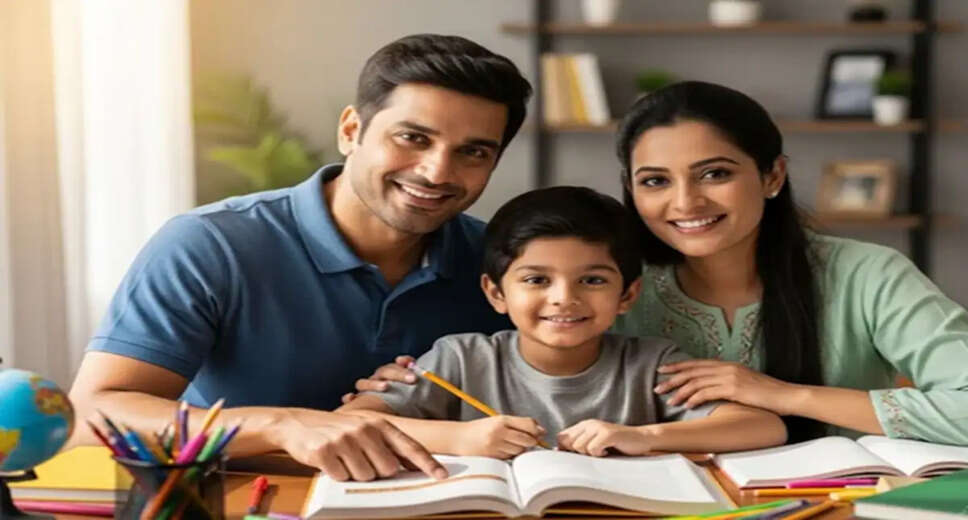
Traditionally, Indian children have been expected to start formal schooling around the age of 2.5 to 3 years, often burdened with heavy school bags. However, a notable shift has occurred in recent years, particularly following the COVID-19 pandemic, as many parents are now choosing homeschooling over conventional schooling. This approach is seen as a way to foster creativity and skills in children rather than just focusing on rote learning.
Homeschooling is not merely about studying at home; it represents a form of educational freedom where children can learn at their own pace. This method alleviates the stress of early morning commutes and excessive homework. Yet, in a society where academic qualifications are highly valued, the question arises: can homeschooling truly secure a child's future? This article will explore the various facets of homeschooling, including its advantages, disadvantages, legal status, and global trends.
Is Homeschooling a New Trend in India?
Homeschooling is not entirely new to India. Historically, education at home was part of the 'Gurukul' system. However, the modern concept of homeschooling began to gain traction in the late 1990s, with significant growth observed during the pandemic in 2020. In urban centers like Bengaluru, Pune, Mumbai, and Delhi, many families are now opting out of traditional schooling, supported by organizations such as 'Swashikshan'.
Global Homeschooling Trends
Homeschooling is most prevalent in the United States, where over 3 million children are educated at home. Other countries like Canada, Australia, and the UK also have established legal frameworks supporting homeschooling. In contrast, countries such as Germany and Brazil impose strict regulations against it. In India, while the Right to Education (RTE) Act mandates school attendance, there is no explicit legal ban on homeschooling.
Advantages of Homeschooling
When approached with commitment, homeschooling can cultivate well-rounded individuals. Here are some benefits:
- Personalized Learning: Children can focus on subjects that interest them, allowing for a tailored educational experience.
- Stress-Free Environment: Without the pressures of exams and competition, children can enjoy a more relaxed learning atmosphere.
- Strengthened Family Bonds: Parents and children can develop a closer relationship as they engage in the learning process together.
- Encouragement of Creativity: Children can explore interests like music, coding, or sports as integral parts of their education.
Challenges of Homeschooling
Despite its advantages, homeschooling is not without challenges:
- Limited Social Interaction: Children may miss out on socializing with peers, which is crucial for their development.
- Increased Parental Responsibility: Parents must take on multiple roles, including teacher and curriculum designer.
- Resource Limitations: Not all families can provide access to facilities like laboratories or libraries, which can hinder learning.
Homeschooling Guidelines: Age and Curriculum
There is no specific age for starting homeschooling, but experts suggest that ages 5 to 14 are ideal. Begin with foundational subjects like language and math, and adapt the curriculum based on the child's interests. For instance, if a child enjoys nature, incorporate science lessons in a garden setting.
Utilize online resources such as Khan Academy and Coursera, and consider forming co-ops with other homeschooling families for shared teaching responsibilities.
Examinations for Homeschooled Children
In India, homeschooled children can take Class 10 and 12 exams as private candidates through the National Institute of Open Schooling (NIOS) or IGCSE boards. These qualifications are recognized and can facilitate admission to prestigious institutions like IITs and medical colleges.