
Essential Updates on Canada Student Visa Regulations for Indian Students
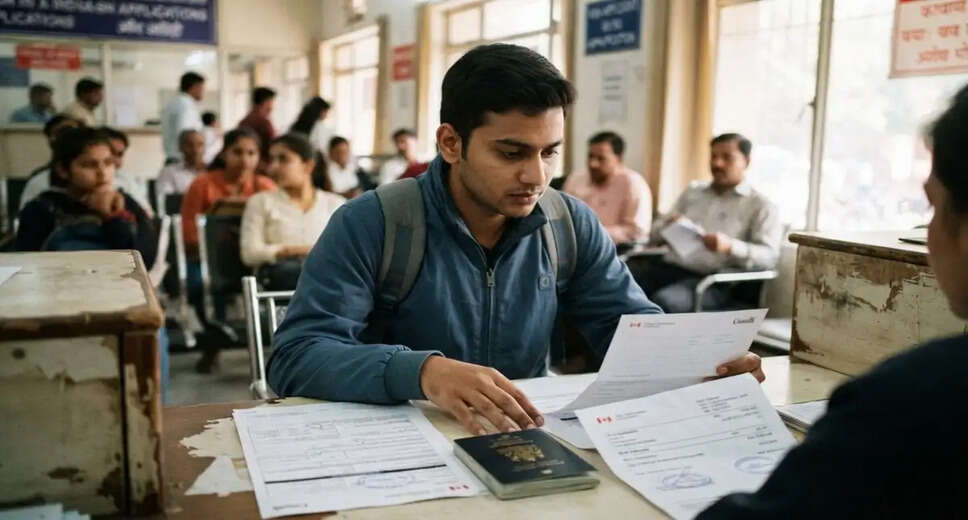
Overview of Canada’s Student Visa Changes
Many Indian students aspire to study abroad, particularly in Canada. If you are among those dreaming of pursuing education in Canada, it is crucial to proceed with caution. In recent years, the Canadian government has implemented significant and stringent changes to the regulations governing international students. Ignoring these rules could lead to immediate rejection of your visa application. Key changes include a cap on visa issuance, strict criteria for college selection, and stringent requirements regarding bank balances. This article aims to inform you about the new and essential rules in Canada that every student must be aware of.
New Regulations for Canada Student Visa Applications
If you are planning to apply for a Canada student visa, it is important to carefully review the following regulations before proceeding with your application.
Tighter Visa Cap Regulations
To manage the influx of international students, the Canadian government has significantly reduced the total number of study visas issued each year. This limitation has increased competition among applicants. If there are any minor deficiencies in your academic records, the limited number of available seats could result in an immediate rejection of your application. Therefore, it is now essential to apply thoughtfully and in a timely manner.
Increased Bank Balance Requirements
According to the new regulations, students must demonstrate a higher bank balance to cover their living expenses. In addition to tuition fees, students are required to provide proof of approximately CAD 22,895 in their Guaranteed Investment Certificate or bank account, which is over 1.5 million Indian Rupees. If your financial documents are unclear or do not match the required amounts, your visa application may be denied.
New Provincial Certificate Requirement
Students enrolling in undergraduate and diploma courses must obtain a provincial attestation letter. This means that after securing admission to a college, students must also acquire a special permission letter from the relevant Canadian province. Without this letter, visa applications will not be accepted. However, students pursuing master's degrees and PhDs are exempt from this requirement.
College and PGDP Regulations
For students heading to Canada, the primary goal is often to work there post-study. However, under the new rules, not all colleges or courses guarantee a work permit upon completion. Many private colleges that operate under the guise of public institutions have been excluded from this provision. Therefore, students should thoroughly research whether their chosen institution and course are listed as 'Designated Learning Institutions' and whether they will be eligible for a work permit after graduation.
Cancellation of Fast-Track Processing
Previously, Indian students could benefit from a system known as the 'Student Direct Stream,' which expedited visa processing. However, this fast-track option has been completely discontinued. Now, all students must apply through the standard process, which takes considerably longer and involves meticulous document verification. To avoid any mistakes, students should prepare their applications thoroughly.