
Delhi High Court Upholds Ten-Year Service Requirement for CISF Recruits
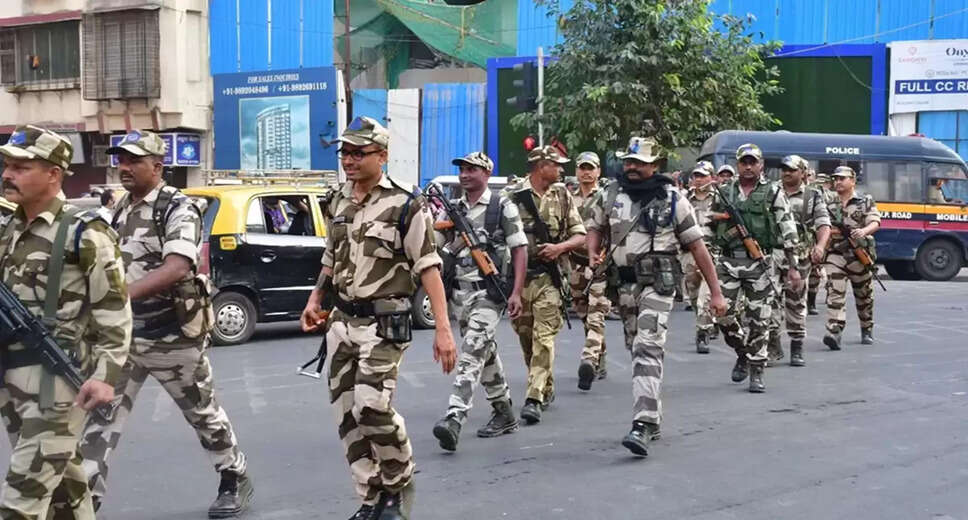
Court Ruling on CISF Service Duration
The Delhi High Court has affirmed that individuals recruited into the Central Industrial Security Force (CISF) must commit to a minimum service period of ten years. The court emphasized that the government invests substantial funds in training each recruit, and thus, if a recruit departs post-training, the training costs will not be reimbursed. This ruling came as the court dismissed a petition from a candidate who sought a refund of Rs. 2.57 lakh after obtaining another job during his training.
The court reiterated that recruits in this central paramilitary force are obligated to fulfill a decade of service. This decision stems from the significant financial resources allocated for the training and preparation of each recruit, and any premature departure results in a financial setback for the state.
Petition Rejected
A candidate appointed as a Sub-Inspector in the CISF had approached the court seeking a refund of Rs. 2,57,544, which included interest for his training deposit. However, the court rejected his plea, stating that all candidates must adhere to the established rules and regulations at the time of their recruitment.
Security Deposit and Agreement
The court clarified that the funds deposited for training expenses serve as a security deposit, which is non-refundable if the individual leaves the position. A consent letter is obtained from each candidate prior to this arrangement, which was duly followed in this instance.
Responsibility and National Service
During the proceedings, it was revealed that the petitioner had begun seeking alternative employment during his training and subsequently secured a role as a Junior Judicial Assistant. The court remarked that the security deposit is intended to ensure that recruits serve the nation for a minimum of ten years. The act of pursuing other job opportunities after being appointed reflects a lack of commitment to one's responsibilities.