
Delhi High Court Rules in Favor of Law Students Over Withheld Exam Results
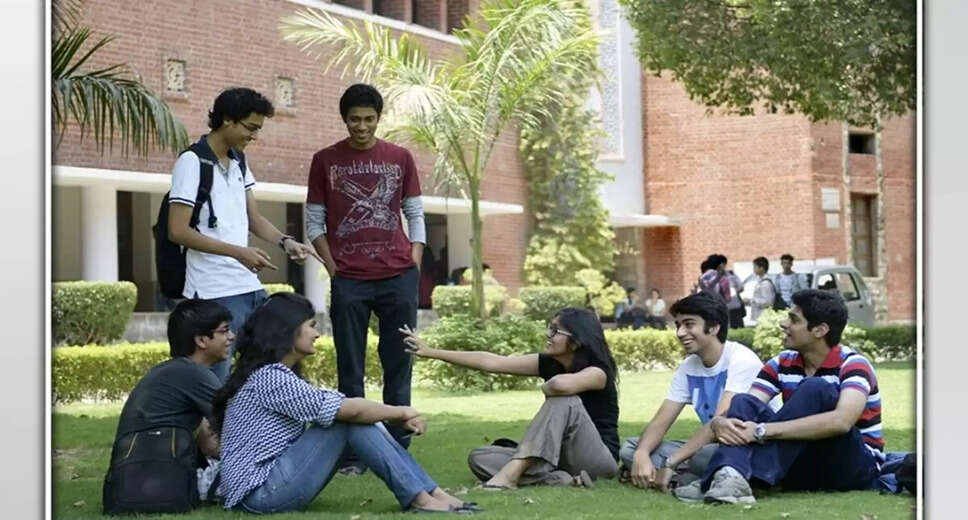
Significant Ruling for Delhi University Law Students
The Delhi High Court has provided crucial relief to law students at Delhi University whose exam results were withheld due to attendance issues. These students, primarily in their final year or senior semesters from the Campus Law Centre (CLC) and other law centers, had completed their exams and internal assessments. However, the university later announced that results would not be released because of insufficient attendance. In response, the affected students filed multiple Public Interest Litigations (PILs) and petitions, leading the court to deem the university's actions as invalid.
Students' Arguments Presented in Court
In court, the students argued that they were permitted to take the exams, either provisionally or through interim measures. Although they completed the exams, their results were subsequently withheld. They contended that various disruptions to their studies, including internships, moot courts, health issues, and challenges from previous years, were not considered. The students emphasized that it was unjust to withhold results after they had been allowed to sit for the exams, as this adversely affects their academic progress and future opportunities.
Court's Investigation and Verdict
The Delhi High Court undertook a comprehensive investigation into the situation. It established that while the university had permitted students to take their exams, it later cited attendance as a reason for withholding results. The court referenced prior rulings, asserting that attendance alone cannot justify detaining students or blocking their results. It emphasized that once exams are completed, students should not face penalties related to attendance. The court reiterated that the essence of higher education is to foster skills and knowledge, and academic decisions must be equitable and reasonable.
Relief Granted to Students
The court mandated that Delhi University must expedite the processing and announcement of students' results. This ruling prevented students from potentially losing an academic year. The court highlighted that administrative delays should not hinder students' career paths, and this decision applied to all related petitions, offering relief to numerous law students.
Significance of the Court's Decision
This ruling conveys an important message not only to the law students at Delhi University but also to the broader higher education landscape. The court indicated that attendance policies should not be overly stringent, especially after students have completed their exams. This decision is particularly beneficial for law students balancing their studies with internships, court visits, and competitive exams. The court reminded educational institutions of the importance of fairness and consistency.
Potential Impact of the Ruling
This ruling reinforces students' rights within higher education, emphasizing that their academic and career interests take precedence over rigid attendance policies. It sets a precedent for other universities, indicating that withholding results or imposing penalties will face scrutiny. The decision reassures students that arbitrary institutional decisions will not be tolerated. Overall, the Delhi High Court has prioritized the dedication of students and their right to take exams, mandating timely release of results to facilitate their academic journeys.