
Bihar to Introduce Regional Language Instruction for Primary Students
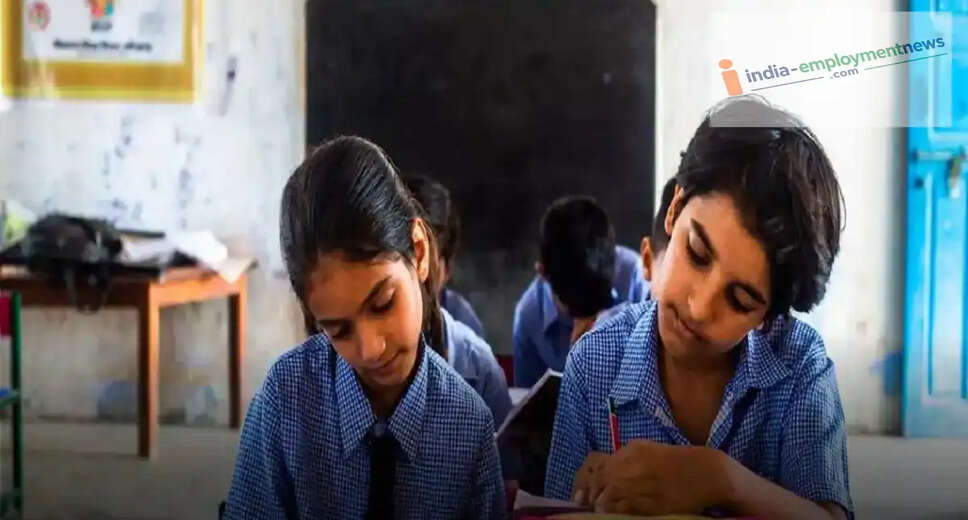
Introduction of Regional Languages in Bihar Schools
Starting with the academic year 2026-27, government schools in Bihar will implement a new initiative where primary students in Classes 1 and 2 will receive instruction in their regional languages. This move is in accordance with the National Education Policy (NEP) guidelines.
Details of the Initiative
The initiative allows children in Bihar's government schools to learn in their native languages. From the 2026-27 academic session, primary students will be taught in their respective regional languages, adhering to the NEP's recommendation to use a child's home language as the medium of instruction during early education. Reports indicate that this policy will cover six prominent regional languages spoken in the state, including Bhojpuri, Magahi, and Maithili.
Textbook Development by SCERT
The State Council of Educational Research and Training (SCERT) in Bihar is responsible for creating textbooks, supplementary materials, and interactive visual aids in all six regional languages. The early primary curriculum will prioritize phonetics, local folklore, poems, community activities, regional fairs, and cultural references, rather than complex grammar. This strategy aims to make learning more relatable and engaging, easing the transition from home languages to formal Hindi.
Languages Included in the Curriculum
Bihar's Education Minister, Mithilesh Tiwari, announced that textbooks are being developed in six local languages: Bhojpuri, Magahi, Surjapuri, Bajjika, Maithili, and Angika. Instruction will be conducted in these languages, with books provided to approximately 4 million children.
Funding and Resources
Under this initiative, around 4 million (40 lakh) children will receive books at no cost. The printing of over 12 million (1.20 crore) new books is already underway to ensure timely distribution. The Bihar government has allocated approximately 250 crore rupees for this initiative.
Expected Impact on Learning
Education officials in the state believe that requiring children to learn in languages unfamiliar to them can impede their learning and concentration. In contrast, instruction in their mother tongue can enhance cognitive development, comprehension, and foundational numeracy skills. Allowing students to use their family and community languages boosts their confidence in self-expression. The Education Department is also planning special orientation workshops to train primary school teachers in bilingual teaching methods, facilitating a smoother transition for students to standard Hindi and English in higher grades.
Future Plans for Expansion
Currently, this initiative is focused on students in classes 1 and 2, with plans to extend it to classes 3 through 5 in the future. The Bihar government will also develop educational materials in local languages for these grades.