
Delhi University Enhances Teaching Standards with New Medical Courses and Faculty Guidelines
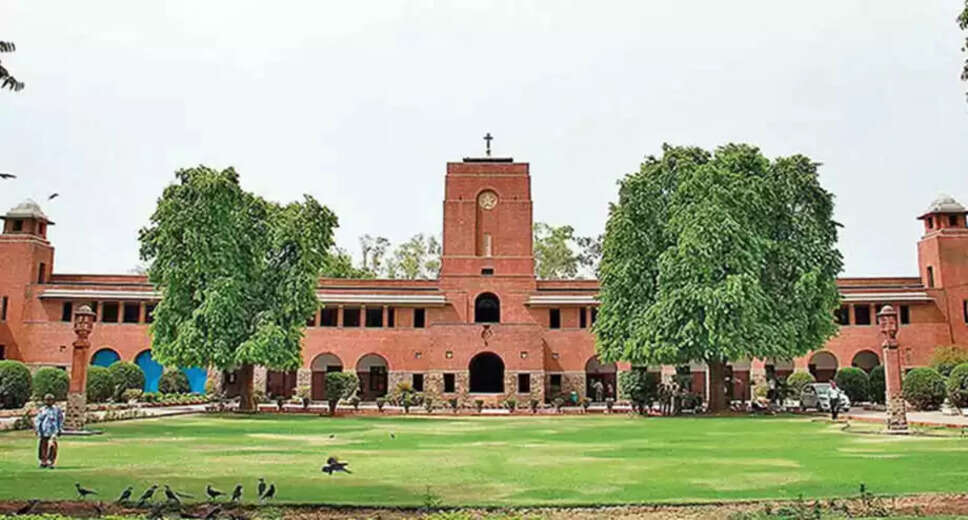
Key Developments from Delhi University's Academic Council Meeting
Delhi University: The Academic Council of Delhi University, led by Vice-Chancellor Prof. Yogesh Singh, convened to discuss pivotal initiatives aimed at enhancing educational quality and securing permanent faculty positions. The Vice-Chancellor emphasized the necessity for the university and its affiliated colleges to prioritize the recruitment of permanent staff, moving away from a reliance on temporary educators such as guest and ad-hoc teachers. Additionally, a proposal for nine new postgraduate medical courses was introduced.
Impact on Teaching and Research Quality
This initiative by Delhi University is set to not only stabilize teaching staff but also elevate the standards of education and research. The council endorsed various measures concerning medical education, research, and faculty development. In conjunction with the introduction of new medical courses, a consensus was reached to implement standardized guidelines for PhD coursework. Stricter regulations were also established for travel grants for faculty attending national and international conferences.
Focus on Permanent Faculty Positions
During the ‘Zero Hour,’ Vice-Chancellor Prof. Yogesh Singh reiterated his commitment to addressing the issue of temporary faculty. He directed colleges to consistently recruit for permanent roles and to aim for academic appointments at least biannually. Colleges needing infrastructure upgrades were encouraged to seek funding from the Higher Education Financing Agency (HEFA). Furthermore, all colleges were urged to hire sports coaches to enhance athletic facilities.
Introduction of New PG Medical Courses
The Academic Council has approved the launch of nine new postgraduate medical courses at the Indian Railways Postgraduate Institute of Medical Sciences and Research (IRPGIMSR) located at the Northern Railway Central Hospital. Prof. Yogesh Singh confirmed that while these courses have received approval from Delhi University, their initiation is contingent upon the endorsement of the National Medical Commission (NMC). The details of the new medical courses and their respective seat allocations are as follows:
Anesthesia: 4 seats
General Medicine: 4 seats
General Surgery: 4 seats
Ophthalmology: 4 seats
Obstetrics and Gynecology: 2 seats
New PhD Coursework Guidelines
To standardize PhD coursework across various departments, Delhi University has approved new guidelines. According to Registrar Dr. Vikas Gupta, PhD candidates will now be required to complete between 12 to 16 credits. A significant change is that the teaching hours for coursework will now count towards faculty workload.
Credits and Subjects for PhD Coursework:
Research Methodology and Advanced Research Methodology: 4 credits
Research Publication Ethics: 2 credits
Research Tools: 2 credits
Discipline-Specific Elective Course: 4 credits
An additional 4 credits as required (for specialized areas)
Revised Faculty Travel Grant Regulations
Delhi University has instituted a more rigorous process for awarding travel grants to faculty members presenting research at national and international conferences. Grants will now be available only to those presenting at institutions ranked within the top 500 QS or THE World Rankings, or the top 100 NIRF rankings. Furthermore, conferences whose proceedings are published in journals indexed in Scopus or Web of Science will also be eligible for recognition.