
Achieving Over 90% in Board Exams: A Strategic Guide
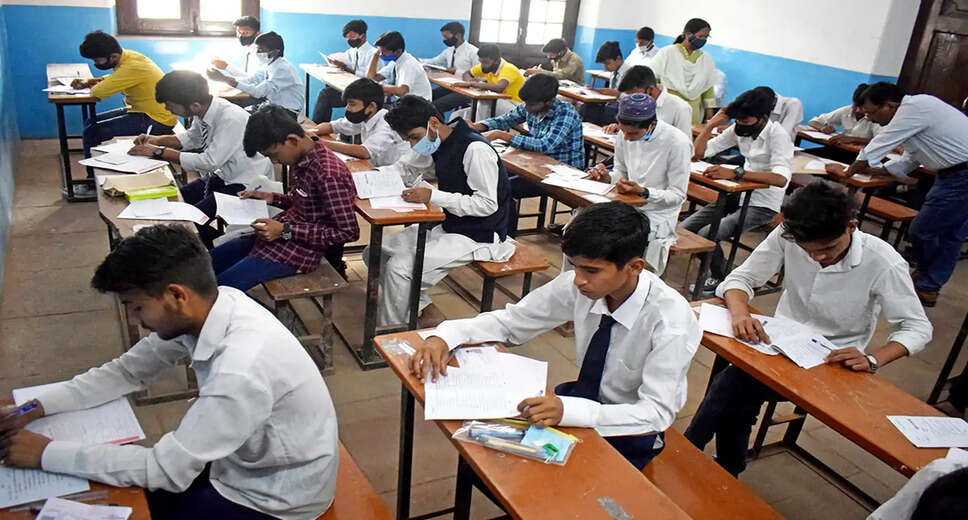
Strategies for Scoring Above 90% in Board Exams
Preparing for Board Exams: The countdown for the 10th and 12th-grade board examinations has officially started. Various boards, including CBSE, ICSE, ISC, and state boards from UP, Bihar, Rajasthan, and MP, have published their date sheets. With November here, students have just three months left to refine their preparation. Many students dedicate countless hours to studying but still miss the top ranks due to ineffective strategies.
To excel in your board exams, you don't need to study excessively; instead, focus on studying efficiently. If your goal is to achieve over 90% in your 2027 board exams, there's no need to stress. By making some changes to your study habits today, you can join the ranks of top achievers. Here are five essential tips for success, along with a comprehensive 90-day study plan.
How to Secure More Than 90% in the 2027 Board Exams?
Many students mistakenly think that achieving over 90% requires relentless studying. Some even isolate themselves from social media, outings, and hobbies for extended periods. However, such sacrifices are unnecessary for success. You can reach your target by transitioning from hard work to smart work.
1. Prioritize NCERT Textbooks
Don’t make the error of purchasing new reference materials at the last minute. In board exams, a significant portion (85% to 90%) of questions comes directly from NCERT or prescribed textbooks. Therefore, ensure you grasp every detail in each chapter, including the boxed information.
2. Practice Active Recall
Merely reading can lead to quick forgetfulness. While studying, create concise bullet points, formula sheets, and flowcharts. After completing a topic, close your book and attempt to write down what you remember in a rough notebook. This technique helps reinforce memory retention for exam day.
3. Utilize Previous Years' Question Papers
Make it a point to solve question papers from the last 5 to 10 years, along with official sample papers from the board. This practice will familiarize you with the chapters that carry more weight and how the board formulates questions, enhancing your preparation.
4. Present Answers Effectively
In board exams, presentation matters. Here’s how to write answers that attract marks:
Use bullet points and subheadings instead of lengthy paragraphs.
Highlight key terms and dates with a pencil or black pen.
For subjects like Science and Geography, include clear, labeled diagrams.
5. Limit Social Media and Follow the '50-10' Rule
For the next three months, minimize distractions from platforms like Instagram. Implement the '50-10' study method—focus for 50 minutes, then take a 10-minute break. Additionally, ensure you get 6 to 7 hours of quality sleep each night to keep your mind sharp.
Three-Month Study Plan
First Month (Complete the Syllabus): Allocate 3 to 4 hours daily to cover remaining chapters and challenging subjects, while spending 1 to 2 hours revising easier topics.
Second Month (Revision Only): Avoid starting new topics. Focus on revising your notes and solving previous year questions (PYQs) for each chapter.
Third Month (Exam Simulation): In the final 30 days, practice a full-length sample paper every other day, simulating the actual exam conditions. Review your mistakes and revise key formulas.