
Key Updates on CBSE Board Exams 2026: What Students Need to Know
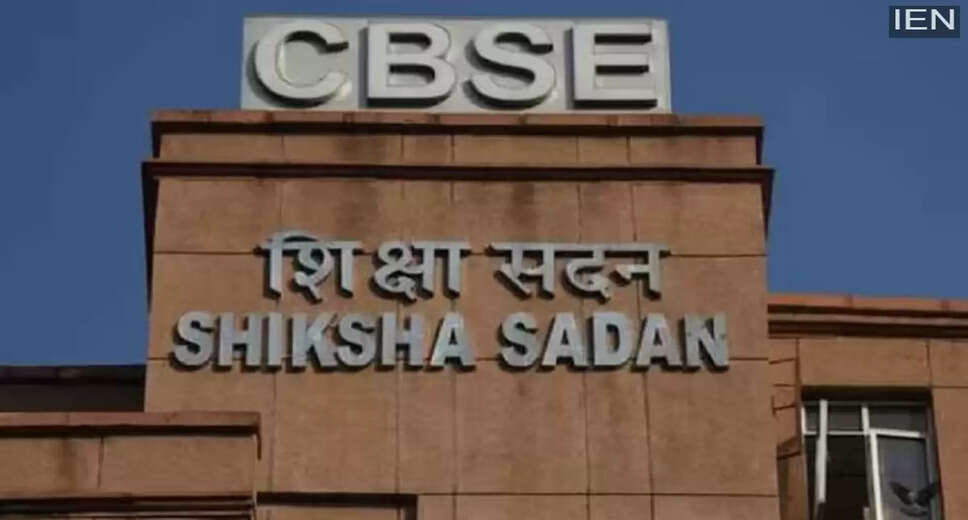
Overview of Changes in CBSE Board Exams 2026
The upcoming CBSE Board Exams 2026 have introduced various structural and evaluation changes, leading to confusion among students in Class 10 and Class 12, particularly regarding re-assessment, practical exams, and internal assessment marks. To clarify these issues, Sanyam Bhardwaj, the Examination Controller of the Central Board of Secondary Education (CBSE), has provided essential insights in a recent discussion, addressing numerous concerns from students and parents.
Re-Assessment Policy for Theory Papers
A significant update from CBSE pertains to re-assessment or improvement exams. The board has confirmed that re-assessment will only apply to theory papers for both Class 10 and Class 12.
There is no option for re-assessing practical exam marks or internal assessment scores. Therefore, students must prioritize their practical exams, as these marks are final and cannot be improved later through any re-evaluation or improvement exam.
CBSE officials have emphasized that this rule is consistent across all subjects that include practicals or internal assessments.
Missed Practical Exams: What to Expect
Many students fear that missing a practical exam will result in failing the subject. However, CBSE has clarified that this is not necessarily true.
If a student misses a practical exam for a valid reason, the board’s digital system allows schools to:
Mark the student as absent, or
Reschedule the practical exam with prior approval
Schools can coordinate with CBSE to ensure that students are not unfairly penalized due to unavoidable circumstances.
No Improvement for Practical or Internal Assessment Marks
CBSE has reiterated that improvement exams are strictly limited to theory components only. For both Class 10 and Class 12, there is no system to improve or reappear for practical exams, project work, or internal assessments.
This highlights the importance for students to:
Complete all required practical experiments
Maintain accurate lab records and project files
Take internal assessments seriously throughout the academic year
Once submitted, these marks are considered final.
Internal Assessment Weightage in Class 10
In Class 10, internal assessment is a continuous process throughout the year. Students are evaluated based on:
Practical work
Activities and experiments
Notebook and lab file submissions
For practical subjects, 5 marks are specifically allocated for notebooks and files, awarded based on the consistency, completeness, and accuracy of work throughout the year—not just at the end.
CBSE has stressed the importance of maintaining proper records of all syllabus-listed activities to achieve good scores in internal assessments.
Clarification on Passing Criteria
CBSE has also clarified the minimum passing marks for both classes:
Class 10:
Students must achieve 33% overall in each subject
This includes theory + practical/internal assessment combined
Class 12:
Students must score 33% in the external (theory) exam
If a subject includes a practical, students must score:
33% in theory
33% in practical
33% overall
Failure to meet any of these criteria may result in not passing the subject.
Differences in Practical Assessment Timeline
CBSE has also outlined the differences in timelines:
Class 10:
Internal assessments are conducted throughout the year, with marks uploaded on the CBSE portal between January and February.Class 12:
Practical examinations occur after the academic session ends, closer to the board exam schedule.
Understanding these differences will help students plan their preparation effectively and avoid last-minute confusion.
Importance of These Clarifications
Given the numerous changes in exam patterns, eligibility criteria, and evaluation methods, confusion among students was expected. CBSE’s clear communication ensures:
Transparency in evaluation
Reduced anxiety among students
Better preparation focus on critical areas
The key takeaway is straightforward:
While theory exams may offer a second chance, practicals do not.
Final Recommendations for Students
Treat practical exams and internal assessments as essential
Avoid relying on improvement options for practical marks
Consistently maintain notebooks, lab files, and project work
Equally focus on both theory and practical components
With a clear understanding of the rules and proper planning, students can approach the CBSE Board Exams 2026 with confidence rather than confusion.