
Essential Tips for Success in the Upcoming CLAT Exam
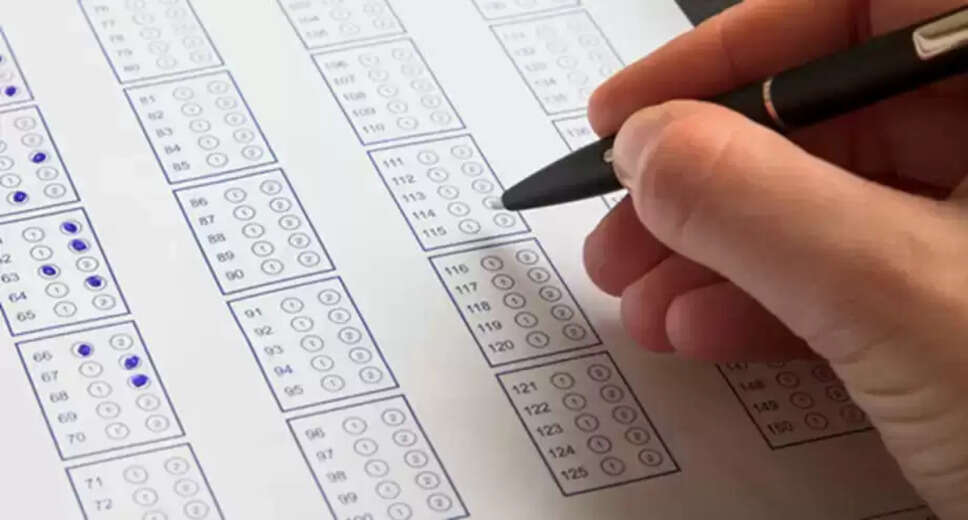
Overview of the CLAT Exam
CLAT Exam: The significance of the Common Law Admission Test (CLAT) has surged in recent years, with an increasing number of career opportunities in the legal field. Candidates preparing for the CLAT, set for December 7, 2025, should approach their studies with utmost seriousness, especially with only five days remaining until the exam.
Exam Day Strategy
Your performance on the exam day is crucial for your future. It's vital to stay calm and composed during the test. Avoid letting exam pressure overwhelm you, as high stress levels can impair your decision-making abilities.
Key Strategies for Paper Solving
The First Key: Paper Solving
The CLAT exam paper is extensive, making it essential to develop effective solving techniques. Throughout your preparation, you may have noticed that speed is just as critical as knowledge. Practice reading quickly and underline key points during your first read to enhance retention. Since many questions rely on comprehension, read the comprehension passage swiftly, identify its relevant section, and then study that section thoroughly before answering.
Answering Comprehension Questions
Answers that match the original meaning
The initial part of the exam will test your English language skills, featuring a comprehension passage of about 450 words followed by related questions. When responding, base your answers solely on the information provided in the passage, avoiding personal opinions. Even if you have a different perspective, ensure your answers align with the original meaning of the text.
Understanding Legal Reasoning
Keep an eye on human aspects.
The subsequent section will focus on Legal Reasoning, which will also include a comprehension passage of approximately 450 words. This section may cover fundamental legal principles, ethical considerations, and public policy issues. No prior legal knowledge is necessary; you can rely on general ethical and human principles to make decisions based on the scenarios presented.
Logical and Quantitative Reasoning
Logical Reasoning and Quantitative
In this part, critically analyze the arguments presented in the comprehension section without bias, and draw logical conclusions. The final segment will involve Quantitative Techniques, where you will need to apply 10th-grade-level math skills, including ratios, basic algebra, and statistical calculations. Maintain a calm demeanor, act swiftly, and rely on common sense to derive answers based on the provided facts.