
Essential Guidelines for JEE Main 2027: Avoiding Unfair Practices
JEE Main 2027 Registration Update
JEE Main 2027: The registration for the Joint Entrance Examination (JEE) Main 2027, Session 1, is currently in progress. As of November 16, more than 700,000 candidates have registered. Applications can be submitted without incurring a late fee until November 22. The registration for the January session is approaching its end, prompting candidates to start their exam preparations. In addition to mastering the syllabus, maintaining proper conduct during the examination is crucial. Candidates must be vigilant, as any misconduct or unfair practices can result in the cancellation of their results.
Key Behaviors to Avoid in the Examination Hall
1. Do Not Use Unauthorized Materials: Candidates must relinquish any prohibited items upon entering the JEE Main examination hall. This includes restricted stationery, mobile phones, Bluetooth devices, smartwatches, calculators, and electronic watches with calculators. Possession of such items can lead to disciplinary measures.
2. Avoid Communication During the Exam: Once the JEE exam commences, candidates must refrain from communicating with others. If assistance is needed, contact the center superintendent instead of asking fellow candidates. Helping others during the exam can also result in serious repercussions.
3. Do Not Look at Another Candidate's Screen: Observing another candidate's screen is considered an offense and will attract disciplinary action. Actions such as peeking at another's screen, whispering, cheating, or using gestures to communicate are all deemed unfair practices.
4. Avoid Forged Documents: Tampering with or creating false documents—such as admit cards, self-declaration forms, scorecards, Aadhaar cards, or any government-issued documents—related to the JEE is classified as an unfair practice.
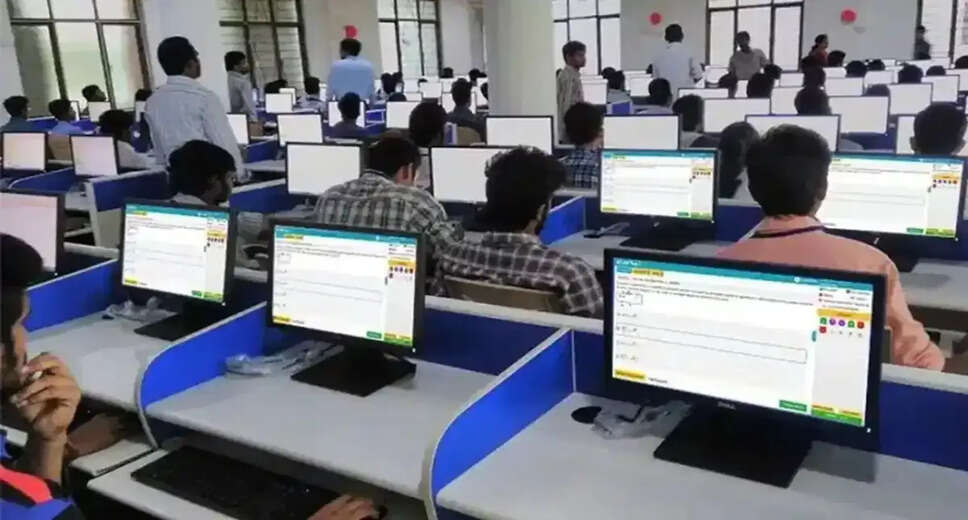
5. Do Not Attempt to Hack the System: The JEE is conducted in a Computer-Based Test (CBT) format. Taking photos or screenshots of the screen, attempting to hack the system, using USB drives or hacking tools, or cheating through screen recording are all categorized as unfair practices.
Consequences of Engaging in Unfair Practices
What Happens If Caught?
If a candidate is found engaging in unfair practices or suspicious activities during the JEE Main examination, they may face penalties. A case of 'Unfair Means' (UFM) will be registered against them. A committee will review these cases, and punitive actions may be taken based on their recommendations. This could include cancellation of the examination and a potential ban from future exams for up to three years.