
Madhya Pradesh Lifts Two-Child Policy for Government Jobs
Significant Policy Change for Job Seekers
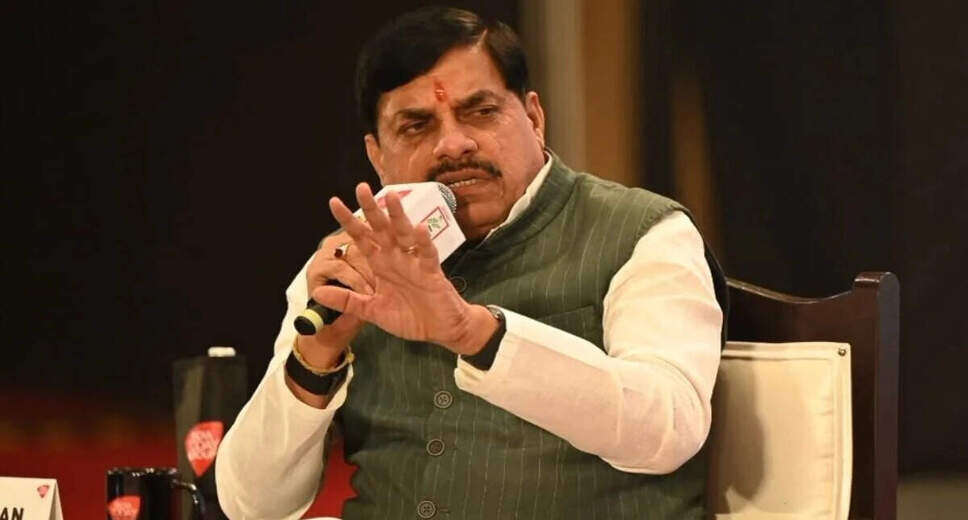
In a major development for individuals preparing for government jobs in Madhya Pradesh, the state government has approved the removal of a long-standing restriction related to candidates with more than two children. This decision was made during a cabinet meeting chaired by Chief Minister Mohan Yadav, allowing candidates with more than two children to apply for government positions.
Amendment to Civil Service Rules
The cabinet's decision includes an amendment to the Madhya Pradesh Civil Service Rules of 1961, which previously disqualified candidates with more than two children from government recruitment. This change is expected to open doors for many eligible candidates who were previously barred due to this rule.
Understanding the Previous Two-Child Rule
Under the earlier regulation, candidates who had more than two children, with the third child born on or after January 26, 2001, were deemed ineligible for state government jobs. Applicants were required to declare their number of children during the recruitment process.
This provision prevented many qualified candidates from applying for government positions, despite meeting all other eligibility criteria.
Relief for Existing Employees
The cabinet's decision also includes changes to the Madhya Pradesh Civil Service Conduct Rules of 1965, which previously allowed disciplinary action against government employees with more than two children. This amendment is expected to provide relief to employees currently facing departmental inquiries solely due to having more than two children.
Pending Cases Related to the Two-Child Policy
According to media reports, there are approximately 8,000 to 10,000 pending cases across various government departments related to the two-child restriction. Departments such as school education, higher education, health, and medical education are notably affected.
More than 30,000 teachers in the school education department are also expected to benefit from this rule change, although the actual benefits will depend on the implementation of the new government order.
Impact on Completed Disciplinary Actions
A crucial condition of the government's decision states that employees who have already faced disciplinary action under the old rules will not automatically receive relief. Similarly, those who were dismissed due to the two-child policy will not be reinstated automatically.
The primary beneficiaries of this change will likely be those whose cases are still pending at the departmental inquiry or disciplinary action stage.
Conclusion
Overall, this decision by the Madhya Pradesh government marks a significant shift in the eligibility criteria for government recruitment and the rules governing employees. However, the actual impact and the process of implementation will become clearer once the revised rules and official orders are issued.