
Challenges Faced by Girls in Haryana: Education and Employment Barriers
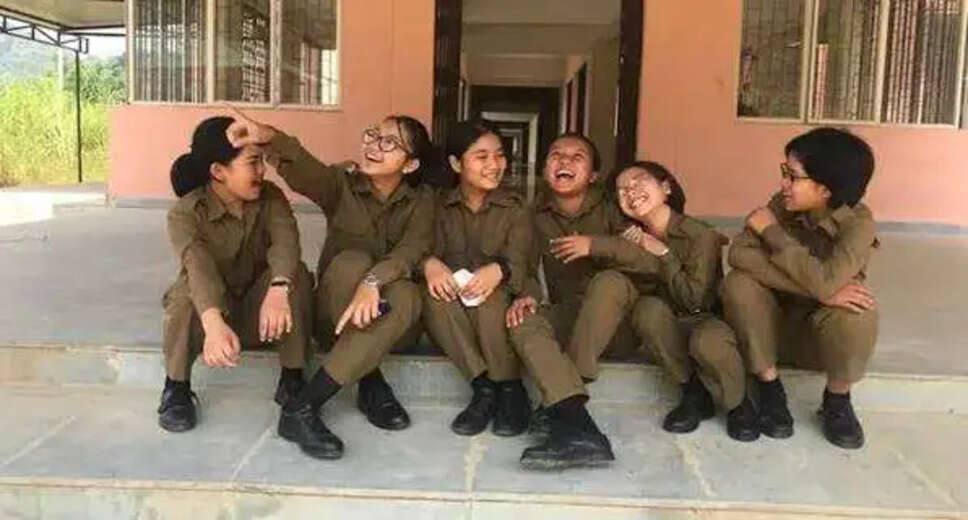
Domestic Responsibilities Hinder Girls' Education
In Haryana, domestic duties are significantly obstructing the educational and career paths of daughters. According to a report from the Ministry of Statistics and Programme Implementation for 2025-26, 61.5 percent of girls aged 15 to 21 have dropped out of school, citing household chores as the primary reason. This figure is notably higher than the national average of 41.6 percent, indicating a 19.9 percentage point difference.
Boys Face Different Challenges
Conversely, 55.1 percent of boys in the same age group attribute their school dropouts to financial difficulties. These statistics highlight that merely enrolling girls in schools and colleges is insufficient; there is a pressing need for equitable distribution of domestic responsibilities and a supportive educational environment.
High Female Representation in NEET Category
Women Outnumber Men in NEET Category
The report indicates that in Haryana, 49.9 percent of women aged 15 to 29 fall into the NEET category, which refers to youth who are neither in education, employment, nor training. In contrast, this figure is only 8.7 percent for men, revealing a significant gap of 41.2 percentage points.
Domestic Responsibilities Impact Women's Opportunities
The report also reveals that 94.1 percent of women in this category cite domestic responsibilities as the reason for their situation, while only 2.9 percent are actively seeking employment. This underscores how household duties are affecting women's education, skill development, and job prospects.
Limited Political Participation of Women
Women's Participation in Politics is Also Limited
The challenges faced by women extend beyond education and employment; their participation in public life and decision-making bodies is also minimal. In Haryana's 90 member assembly, there are only 13 female legislators, making up about 14.4 percent of the total. Additionally, among the state's 10 Lok Sabha MPs, only one is a woman, representing 10 percent.
Need for Social Change Alongside Government Initiatives
Social Change is Essential Alongside Government Programs
Numerous initiatives are being implemented to promote girls' education, yet changing societal attitudes remains a significant challenge. In many families, girls are expected to handle more domestic chores, while boys' education and careers are prioritized. This disparity can adversely affect girls' regular schooling, higher education, and employment opportunities.
Encouraging Equal Responsibility and Opportunities
Experts suggest that to alter this situation, there needs to be an equitable distribution of responsibilities within families, encouragement for girls to pursue further education, and opportunities to learn job-related skills. Daughters should be empowered to choose careers of their choice and gain financial independence rather than being educated only until marriage.
The Role of Families and Society in Education and Employment
The report's findings emphasize that enhancing girls' participation in education and employment requires not only government initiatives but also the active involvement of families and society.